
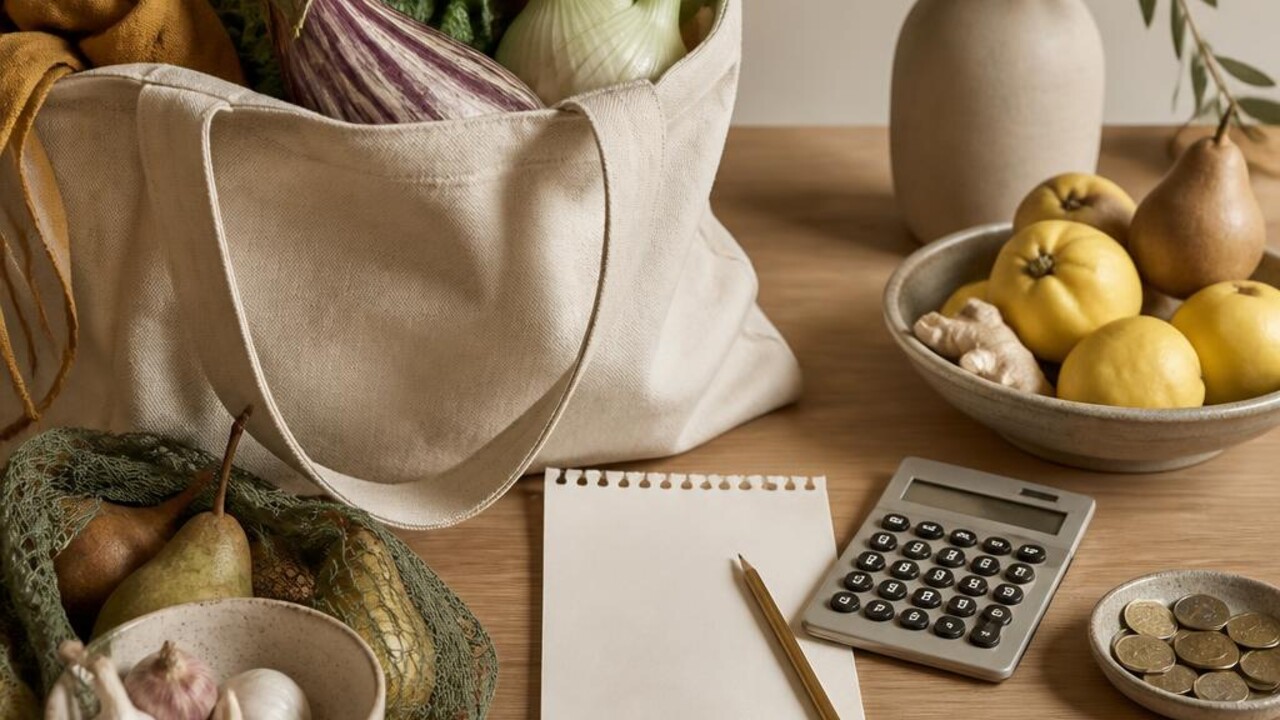
A grocery budget is easier to follow when it changes the list before the shopping trip, not just the guilt after it. Start with a spending boundary, then build a list that protects the meals and supplies your household needs most. The list is a plan for decisions, not a promise that every price will stay the same.
Leave enough room for substitutions and changing prices. A rigid list can be less useful than a prioritized one.
Set the boundary before choosing extras
Look at the amount available for this trip and the meals that need to be supported. Check what is already in the pantry and freezer before adding ingredients. If the budget covers essentials but not every idea, decide that while you are calm at home.
Sort the list into three levels:
- Must buy: ingredients for planned meals, essential staples, and items that are genuinely out.
- Useful if affordable: flexible produce, snacks, or ingredients that support several meals.
- Later: experiments, duplicates, and items with easy alternatives already at home.
The grocery budgeting guide covers the wider habit of connecting shopping to household spending. Use the same clarity at the list level so the person shopping knows what can move when the total changes.
Make substitutions before you need them
For expensive or uncertain items, write one acceptable substitute next to the original. Choose substitutes that preserve the meal's role rather than trying to match an ingredient perfectly. A different bean, grain, vegetable, or store brand may keep the plan intact.
Add a note about what should not be substituted when it matters. This saves a rushed decision in the aisle and prevents a cheap purchase from creating a second trip.
Use store priorities wisely
Shopping in more than one store can lower the total, but extra stops also cost time and attention. Mark the items worth seeking elsewhere and set a rule for when the second trip is no longer worthwhile. The multiple-store shopping guide can help you divide the list without losing track of the main shop.
Before leaving, do a final review:
- Remove anything already available in sufficient quantity
- Combine duplicate ingredients and confirm useful quantities
- Check the list against the spending boundary
- Mark substitutions and store priorities
- Leave a small amount of room for a necessary change
In Lucru Home, the grocery list keeps items visible by section, and the budget can record the completed shop so the next plan has better information. Open the Lucru Home grocery list when you want the boundary, the list, and the actual purchase to stay connected.