Grocery shopping without a car works best when the plan accounts for how food will get home. Start with the meals, then consider carrying capacity, transit time, delivery windows, and how often your household can shop. The goal is a realistic list, not the largest possible trip.
Choose a shopping rhythm that fits the route
Some households prefer smaller frequent trips; others combine a weekly shop with a nearby top-up. Decide what fits your time, mobility, and available storage. Check delivery fees and availability directly if you use a service, and do not plan around a slot until it is confirmed.
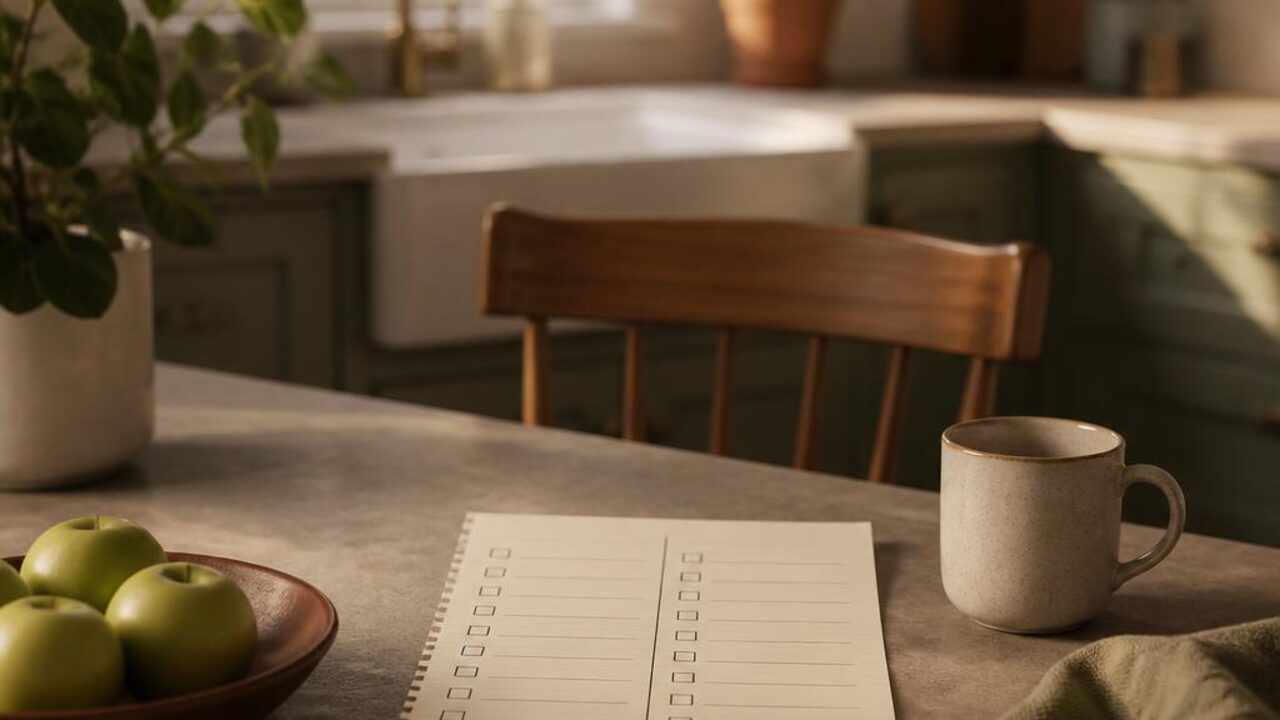
Group the list by where you will buy items and how you will carry them. Heavy or bulky products may belong on a delivery order or a separate trip. Leave room for the items already at home.
Make the list easier to carry and use
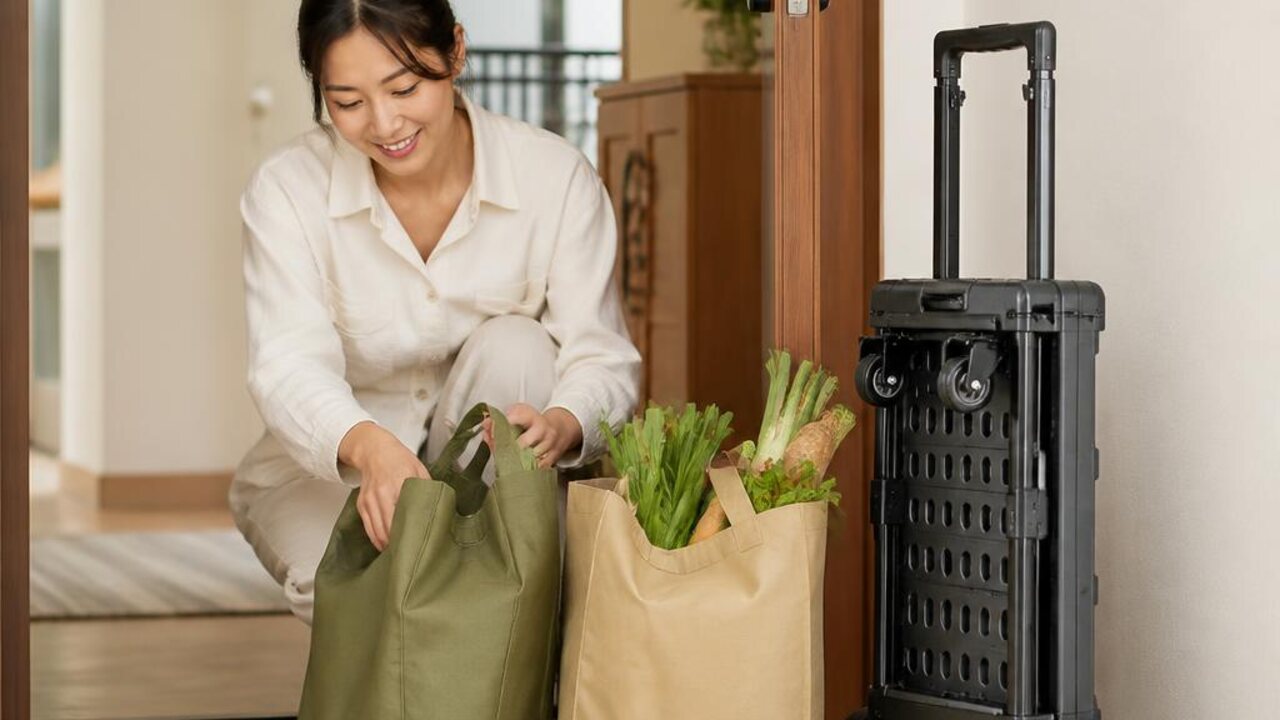
Prioritize the meals and staples the household needs first. Break a large list into manageable trips if that is more practical. Keep reusable bags or a cart where they are easy to take, and check the weather and transit plan before leaving.
- Shop your pantry and fridge before adding duplicates
- Put heavy items near the top of a delivery list
- Use a smaller basket or list for a walking trip
- Keep one backup meal at home for a delayed shop
The household errand batching plan helps group stops by location, while grocery list for a busy week keeps a short plan focused. Organize the items in the Lucru Home grocery list.
Plan around the journey home as much as the store. A right-sized list and a dependable rhythm make shopping more manageable without assuming access to a car.