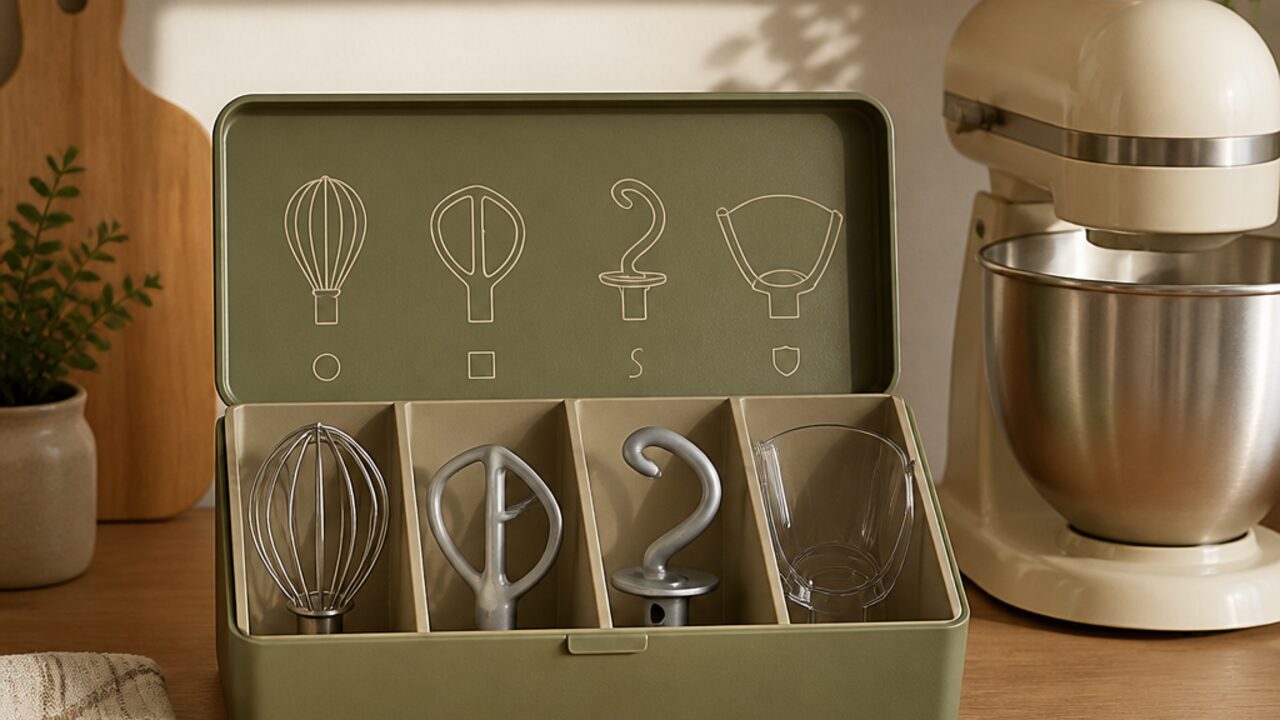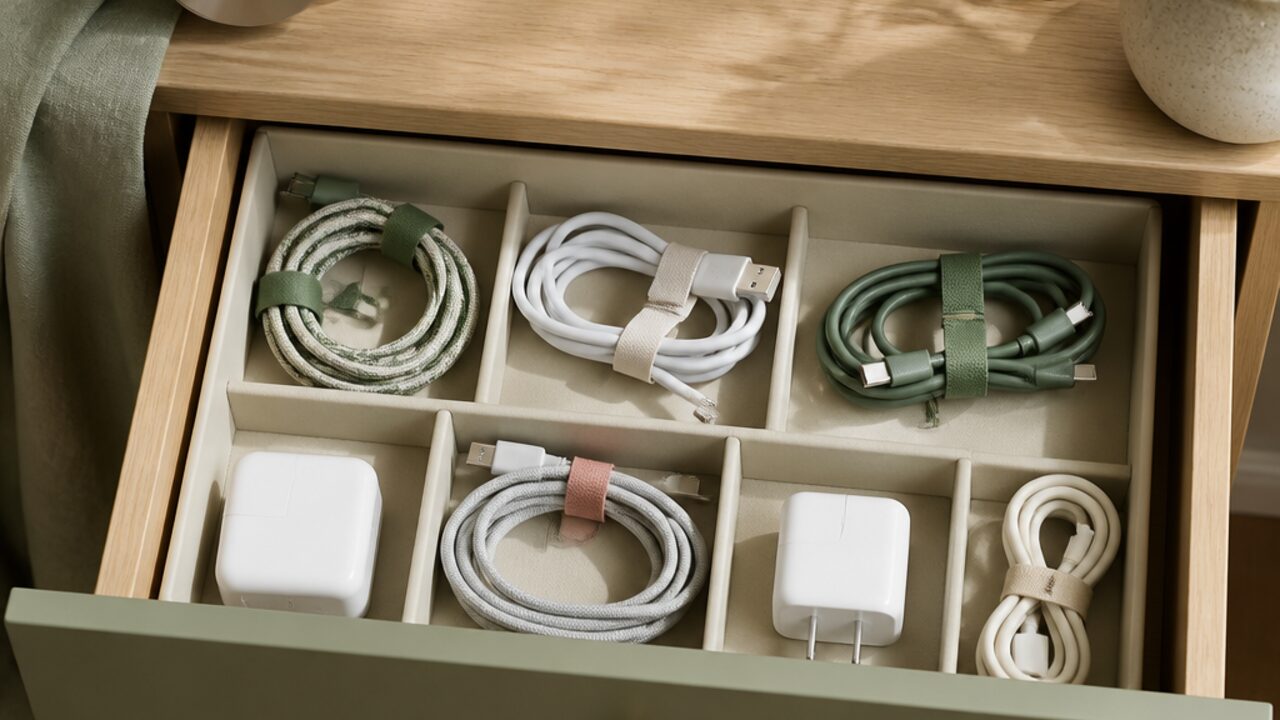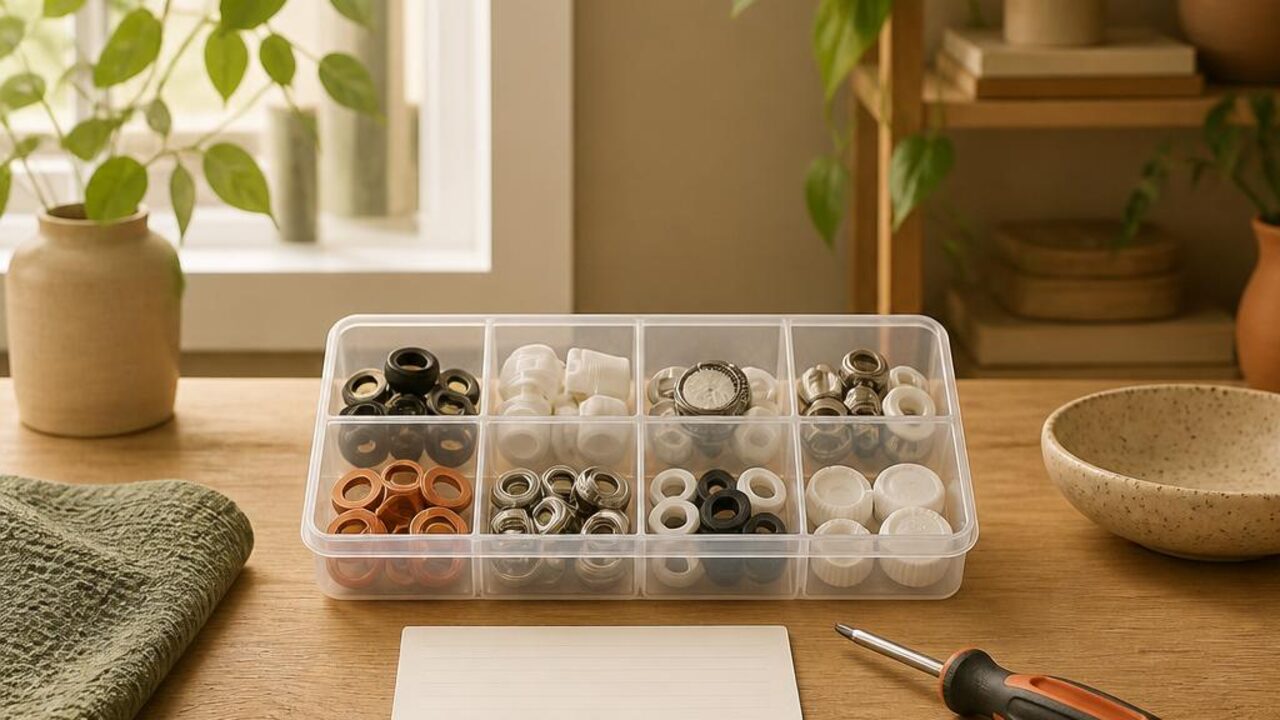
To find a small spare part later, store it with enough context to identify the household product it belongs to. Keep each part in a labeled container or bag, and note the product name and storage location. Do not guess what an unidentified part is for or use it in a repair without appropriate product instructions or qualified help.
Label the part while its context is fresh
When a part is set aside, write down where it came from and what it appears to match. Include a product model only if it is already available from the product label or paperwork. Keep tiny pieces contained, with labels that will remain attached, and avoid combining unrelated screws, clips, or fittings into one mystery jar.
- Use a small bag or box for each product
- Label with a plain product name and part description
- Add a storage location to your household note
- Keep uncertain or unidentified pieces clearly marked
Make the record easy to search
Choose one place for the short parts index, whether a shared note or household inventory. Add an entry only when it helps someone find the physical container. If the part is used, discarded, or moved, update its location so the record does not send another person on a search. Keep product documentation in its own sensible place rather than stuffing manuals into the parts box.
The appliance manuals and receipts organizer helps keep product paperwork findable, and the simple household inventory checklist offers a light way to record household items. The Lucru Home home management app can hold a location note alongside other household references.
Keep the system small
Review the parts you have when you next use or organize them, and remove entries for pieces no longer kept. Start with one small container today: identify its contents and label where it belongs.