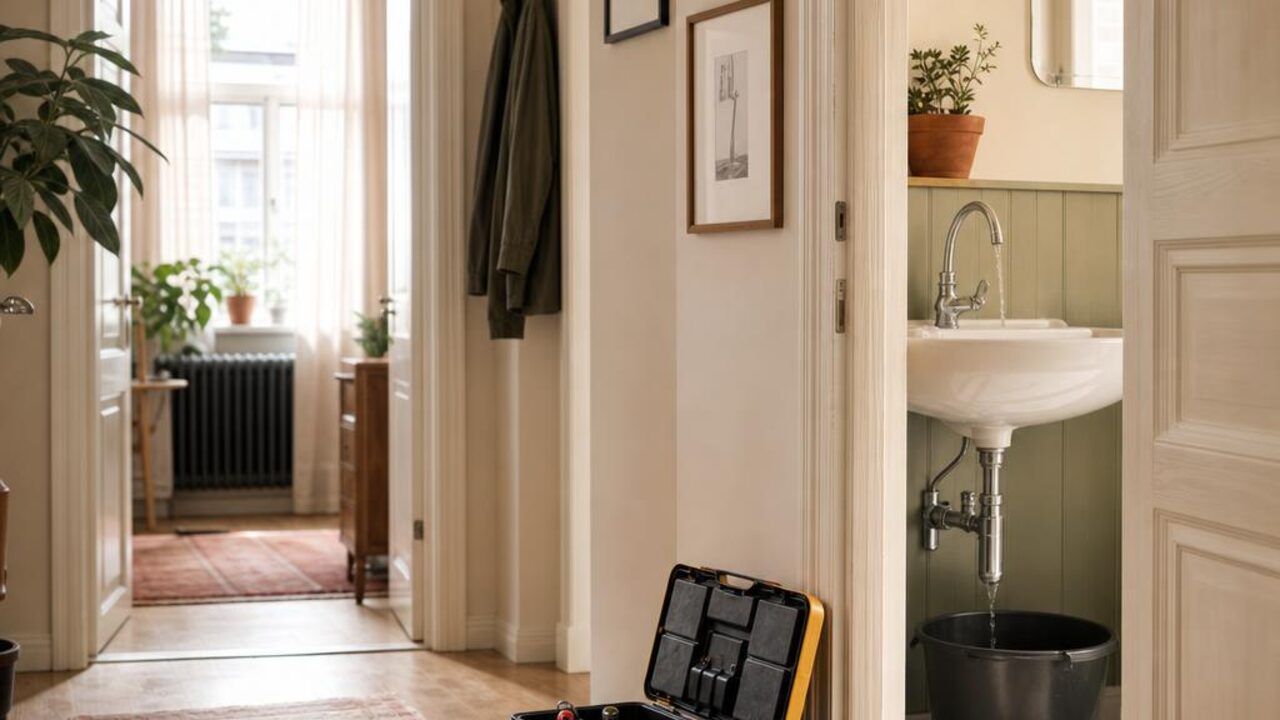
A maintenance request log gives a renter one calm place to record what was noticed, when it was reported, and what needs to happen next. It does not replace a lease, local requirements, a landlord's process, or qualified repair and legal advice. It simply reduces the chance that an important detail gets lost in messages and memory.
Keep the record factual, protect private information, and use the communication method required by your rental agreement or local process.
Record the observation first
Start with what you can see or hear, not a diagnosis. Note the room or location, the date and time, and whether the issue is recurring or new. If a photo or short note helps explain the condition, store it with a clear filename or reference.
Useful fields include:
- Location and plain-language description
- Date first noticed and dates it changed
- What was affected or unavailable
- Photo, video, or note reference when appropriate
- Immediate household action, if any
Avoid guessing at the cause or promising what a repair will cost. The purpose of the first entry is a reliable observation.
Track the request as a sequence
When you report the issue, add the date, method, recipient, and a short summary of what was sent. Keep copies of relevant messages according to your own privacy and document practices. If someone responds, record the response and the next stated step.
Use a simple status such as:
- Observed
- Reported
- Follow-up needed
- Scheduled or access arranged
- Completed and checked
The status is a household reminder, not a statement about anyone's legal responsibility.
A good log separates what happened, what was communicated, and what you still need to do.
Add a next action with a date
Every open request should have one next action, even if that action is “check for a response on Friday.” Keep the task specific: send the requested photo, confirm access, ask for an update, or note the result after a visit.
The renter home maintenance tracker can help you think through recurring observations. For routine seasonal checks, compare it with the seasonal home maintenance checklist, while keeping urgent or specialized matters separate.
Keep the log safe and easy to review
Store the log where you can find it, but do not include unnecessary passwords, access codes, or sensitive personal information. If several people share the rental, agree on who updates the entry and who receives follow-up reminders.
Review open requests once a week. Close only what has actually been resolved, and keep the final observation brief. If an issue may involve safety, health, legal rights, urgent damage, or specialized repair, use the appropriate local authority or qualified professional rather than relying on this organizing guide.
Put household next actions in the Lucru Home to-do list. A clear log cannot control the response, but it can make the timeline, communication, and next step easier to see.