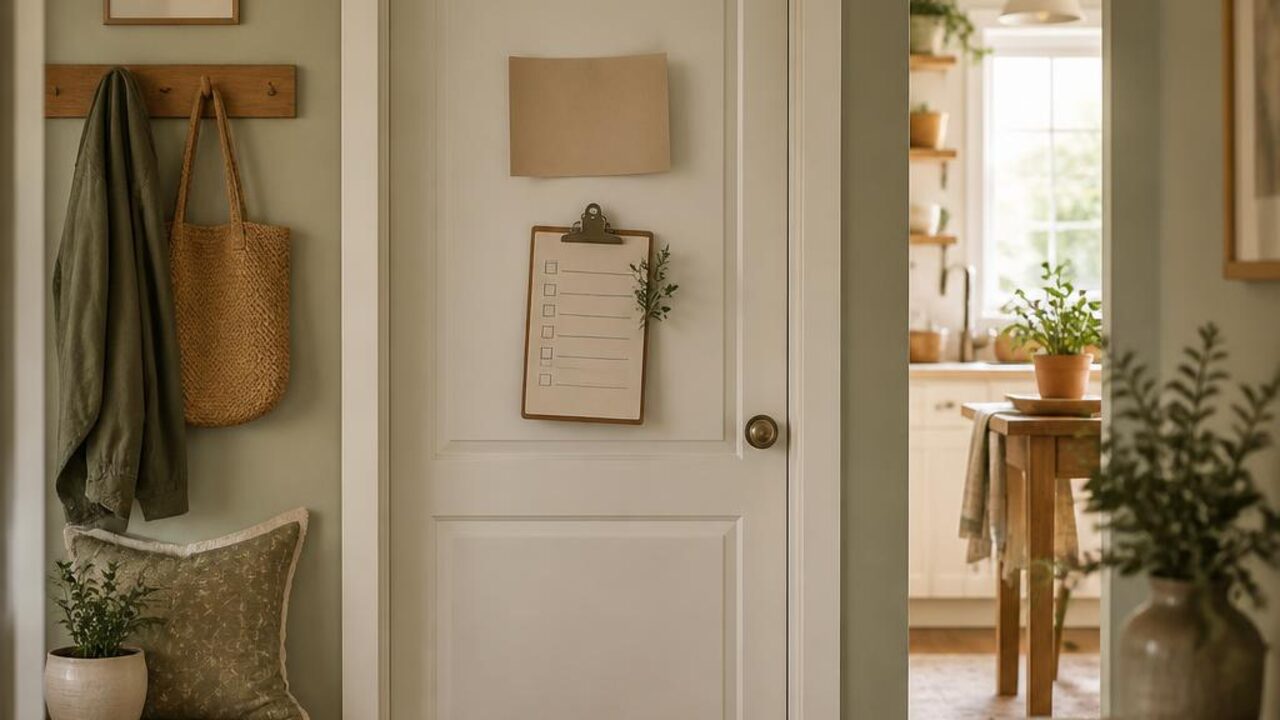
The 6/10 rule for cleaning is a popular checklist format built around six daily tasks and ten weekly tasks. There is no single official version, so the exact tasks vary by creator and household.
Its useful idea is to separate light daily maintenance from a rotating weekly clean. Choose tasks based on how your home is used instead of copying a list that does not fit your rooms or capacity.
Pick six daily maintenance tasks
Daily tasks should keep high-use areas functional, not create a full-house cleaning session. A household might choose:
- Wash dishes or load and empty the dishwasher
- Wipe kitchen counters after meals
- Deal with rubbish, pet mess, or spills
- Do a brief pickup in shared rooms
- Sweep a high-traffic kitchen or entry area when needed
- Reset one bathroom surface
Rotate ten weekly tasks
Weekly tasks can cover different areas across the week. Examples include vacuuming, changing bed linens, cleaning toilets, dusting reachable surfaces, mopping floors, and wiping appliance exteriors. Frequency should change for pets, allergies, visitors, and how often a room is used.
The cleaning routine for shared spaces helps assign ownership, while cleaning between deep cleans offers a realistic maintenance approach.
Keep the checklist workable
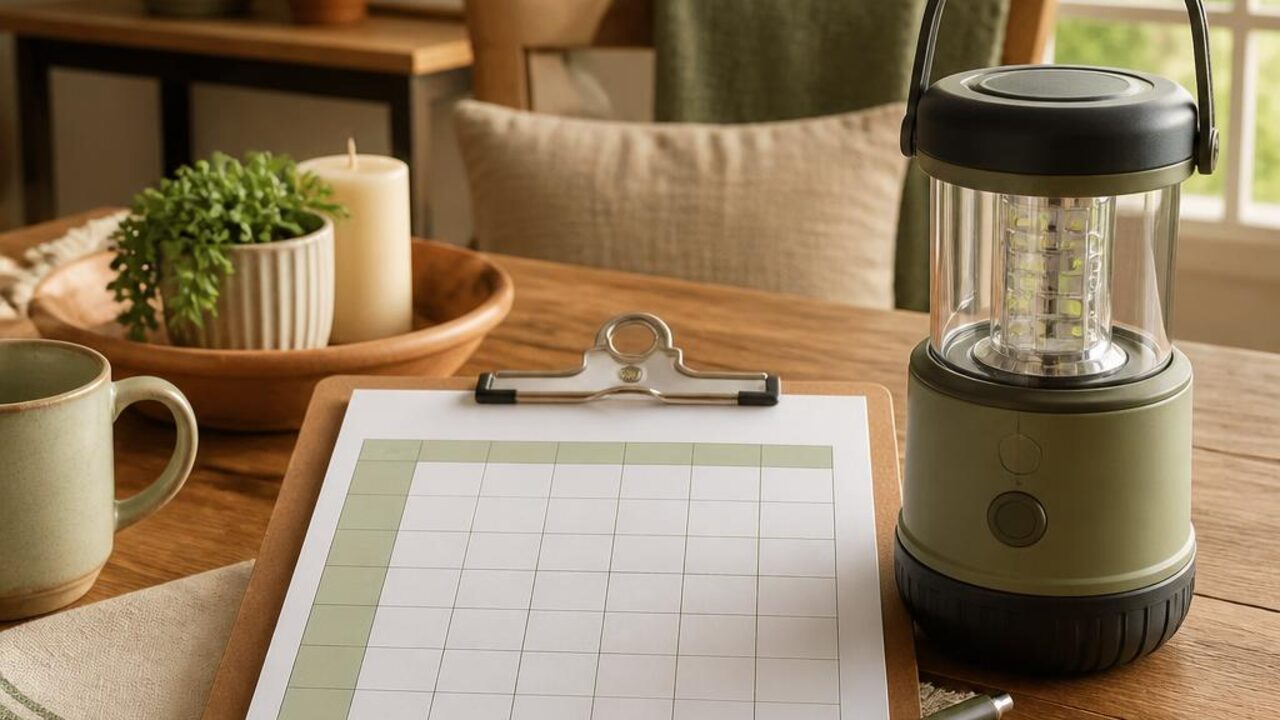
Put each task on a day when someone can actually do it, and leave space for missed days. Use the Lucru Home cleaning schedule to make the routine visible and revise it after a few weeks.
The value of 6/10 is not the number itself. It is a clear split between small maintenance and planned care that can be adjusted without guilt.
Build a version for your household
List the tasks that cause the most friction when missed for several days. In one household, that may be dishwasher flow and pet hair near the entry. In another, it may be clearing a dining table used for work and wiping a shared bathroom sink. Put only genuinely frequent tasks in the daily group. A task that takes a long time, needs everyone to be home, or matters only occasionally belongs in the weekly rotation instead.
Then make the weekly list specific. “Bathroom” can be split into toilet, shower, mirror, and floor if that makes sharing easier, or it can remain one task if one person prefers to complete it at once. The aim is a list that names an observable result.
Turn the list into a week
Avoid assigning all ten weekly tasks to one day. Pair heavier tasks with lighter ones and account for the household's actual schedule. A simple example might look like this:
- Monday: vacuum shared floors and wipe appliance exteriors
- Wednesday: change bed linens and clean bathroom fixtures
- Friday: mop a hard floor and dust reachable surfaces
- Weekend: clean the toilet, deal with laundry, and choose the remaining tasks
This is only an example, not a required version of the rule. If Friday is busy, move the floor task to a quieter morning. If a room has not been used, it may not need the same attention that week.
Share responsibility without making a scorecard
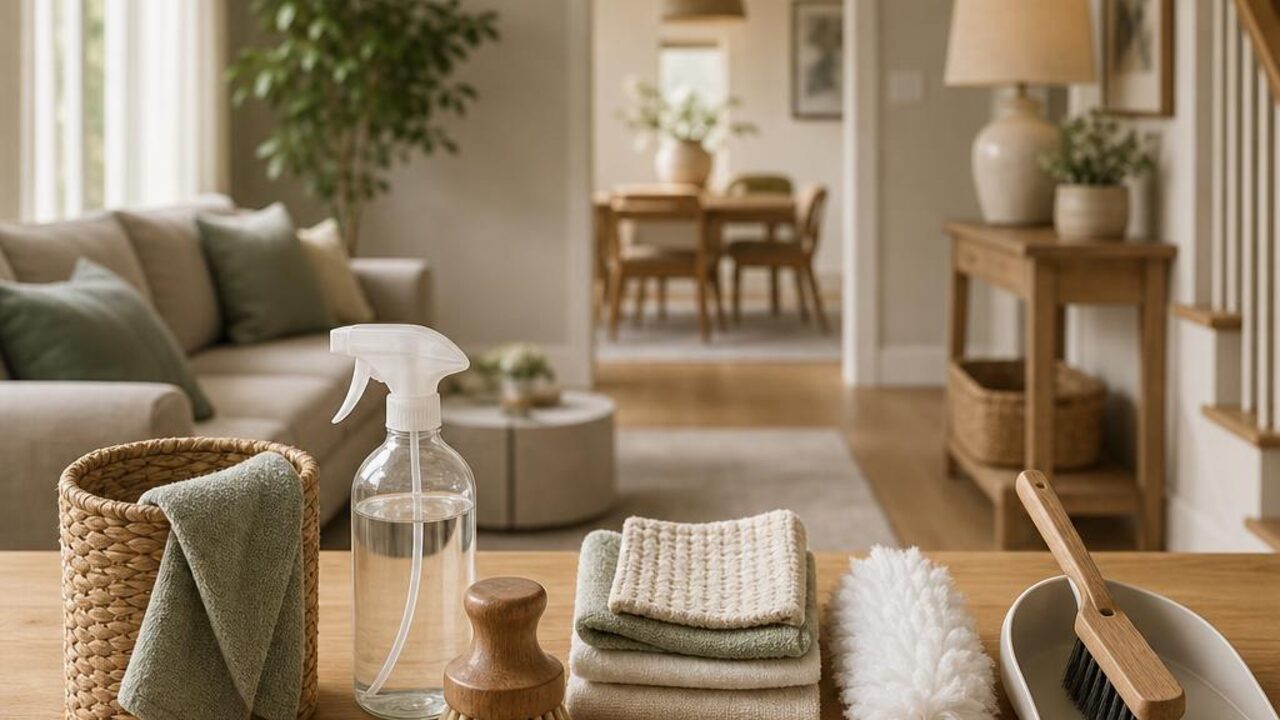
Give a task an owner for the current week, but allow the household to swap when schedules change. Define what supplies are needed and where they live. If one person notices a task is not complete, raise it as a planning question rather than assuming someone ignored it.
A checklist is particularly helpful for recurring invisible work, such as restocking toilet paper or emptying a small bin. It is less helpful when it becomes a measure of whether someone has done enough. Reduce the list if it regularly produces unfinished items.
Review after a few weeks
Notice which tasks never need doing as often as expected and which become urgent before their scheduled day. For example, a household with a shedding pet may need a frequent floor task but may not need to dust a guest room every week. Revise the six and ten categories to reflect that evidence.
FAQ
Are the six daily and ten weekly tasks always the same?
No. The 6/10 label describes a popular checklist structure, not a standardized list. Exact versions vary, and the right tasks depend on the home and its occupants.
What happens if a weekly task is missed?
Move it to the next available block, reduce the task to its most useful part, or decide it can wait. Avoid trying to complete every missed task in one exhausting catch-up day.
Can a household use fewer than sixteen tasks?
Yes. Start with the tasks that protect hygiene, access, and daily function. Add detail only when the routine is already sustainable.