Composting in a small home is easiest when you begin with the collection option your building or local area actually accepts. Check those rules first, then choose a compact way to collect scraps and a routine for moving them out. You do not need to manage a full backyard system to keep this household task organized.
Check the collection rules and space
Find out which materials are accepted and how they should be prepared. Requirements differ by municipality, building, and collection program, so use the current instructions for your address. If collection is not available, decide whether another option is practical before buying equipment.
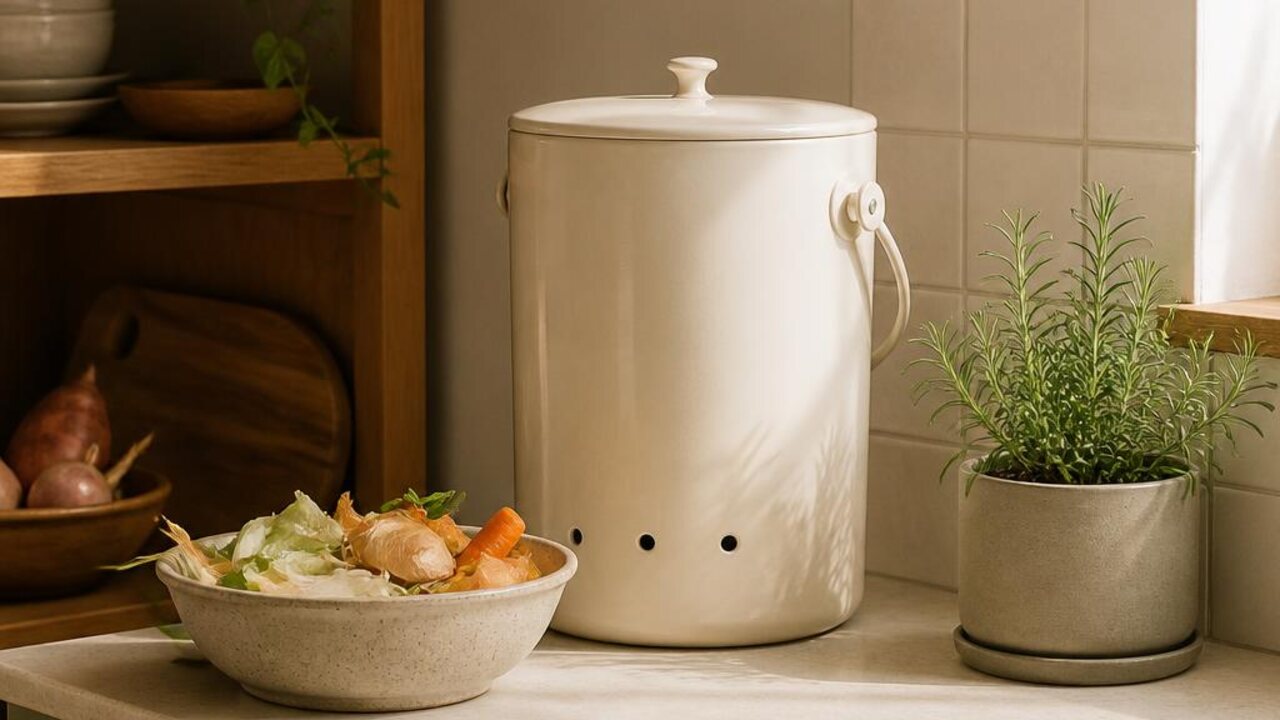
Measure the place where a countertop or freezer container could fit. Choose one that is easy to clean and has a lid that works for your household. Keep it away from food preparation surfaces when it is not being used.
Build a short collection rhythm
The best schedule is one the household can follow. Empty the collection container when you take out other waste or on a consistent day. If several people contribute, put the accepted-items guide where it is easy to check.
- Post the local list of accepted scraps
- Pick one container location that does not block daily work
- Agree who moves a full container and when
- Revisit the setup if odor, pests, or storage problems appear
The home recycling station guide covers the household sorting area, and small-space home management offers ideas for keeping systems compact. Track a recurring collection reminder in the Lucru Home cleaning schedule.
Small-home composting should reduce friction, not add another permanent chore. Follow local instructions, keep the container manageable, and change the routine if it no longer fits the space.