A project purchase list is more useful when it shows both what you expected to buy and what you actually bought. That comparison helps the household pause before a small project quietly turns into a collection of unplanned trips.
Start with an estimate and a receipt folder
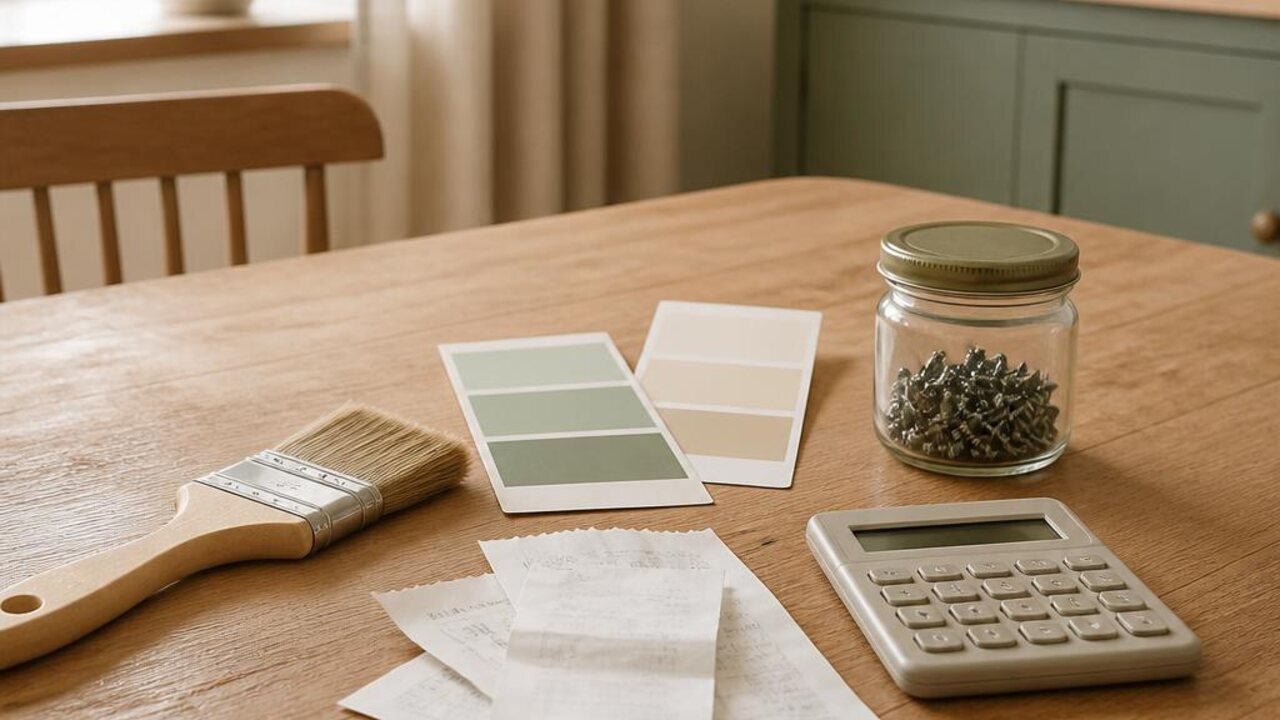
List the planned items in plain language, with an estimated amount if you have one. Add a status such as "not purchased," "purchased," or "decide later." After each purchase, record the actual amount and save the receipt in the same folder or project note.
- Keep separate lines for materials, delivery, and hired services
- Note when an item is a replacement or an optional upgrade
- Mark returns or exchanges as open until confirmed
- Do not treat estimates as guaranteed prices
Pause before adding more
Review the list before each new purchase. Ask whether the item is required for the agreed scope, whether a decision is still unresolved, and whether the current plan remains comfortable for the household. If a project changes, update the scope and budget together rather than relying on memory.
Read the home project scope checklist and budget review before a big home purchase. Keep the spending picture in the Lucru Home family budget.
The purpose of tracking is not to judge each purchase. It is to make the full project visible while there is still time to adjust the plan.