After a property incident, keep the records you already have together in a dated, factual log. This can make it easier to retrieve photos, receipts, and correspondence when asked for them. Organizing records is not claims, legal, coverage, or safety advice; contact the appropriate provider or qualified professional for decisions and instructions.
Create a dated record
Start with the date you noticed the incident and a short description of what you observed. Separate firsthand observations from details another person provided. If the timing or cause is uncertain, say that it is unknown. Keep the original messages and files rather than relying only on a rewritten summary.
Keep related material together
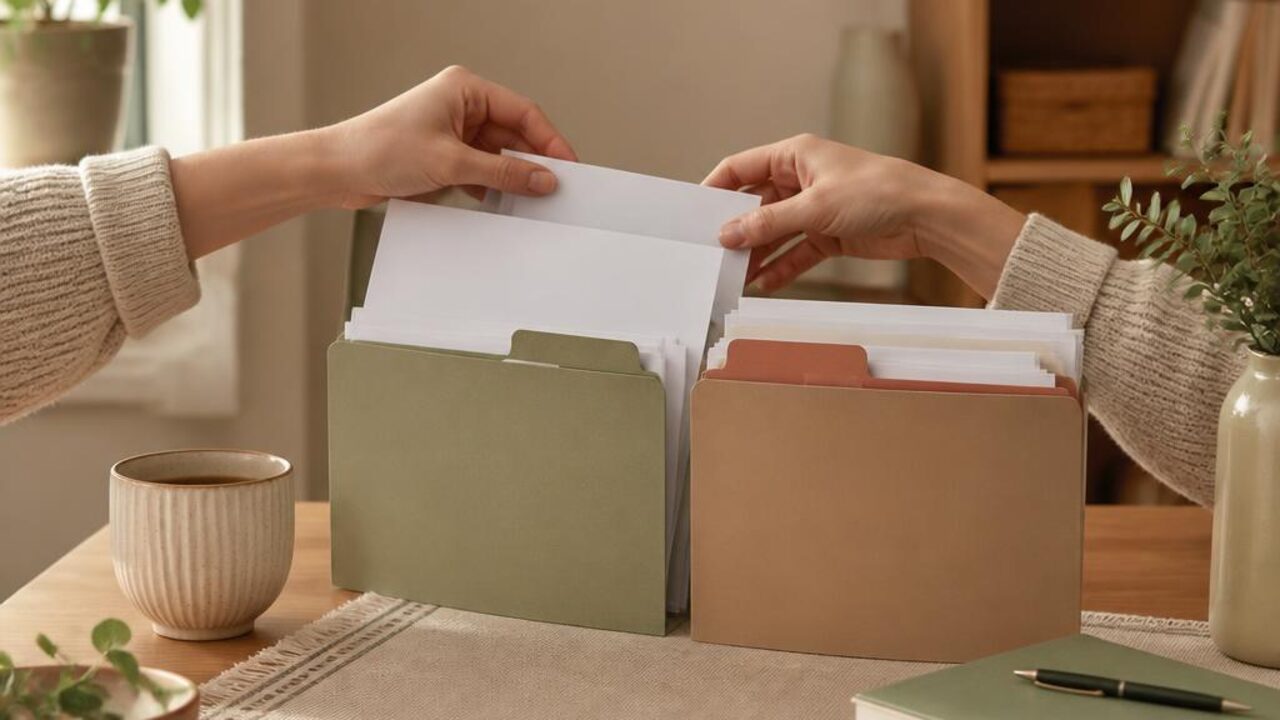
Create a folder with a clear name and a simple index. Add original photos with dates and room labels, relevant receipts or ownership records you already have, and messages from the people or organizations involved. Preserve documents as received. Do not change a photo or annotate the only copy; add a separate caption or note instead.
- Note when each item was received or created
- Label the subject and location in plain language
- Keep original files and a separate working index
- Save contact details and correspondence together
- Share records only through an appropriate requested channel
Track requests without interpreting them
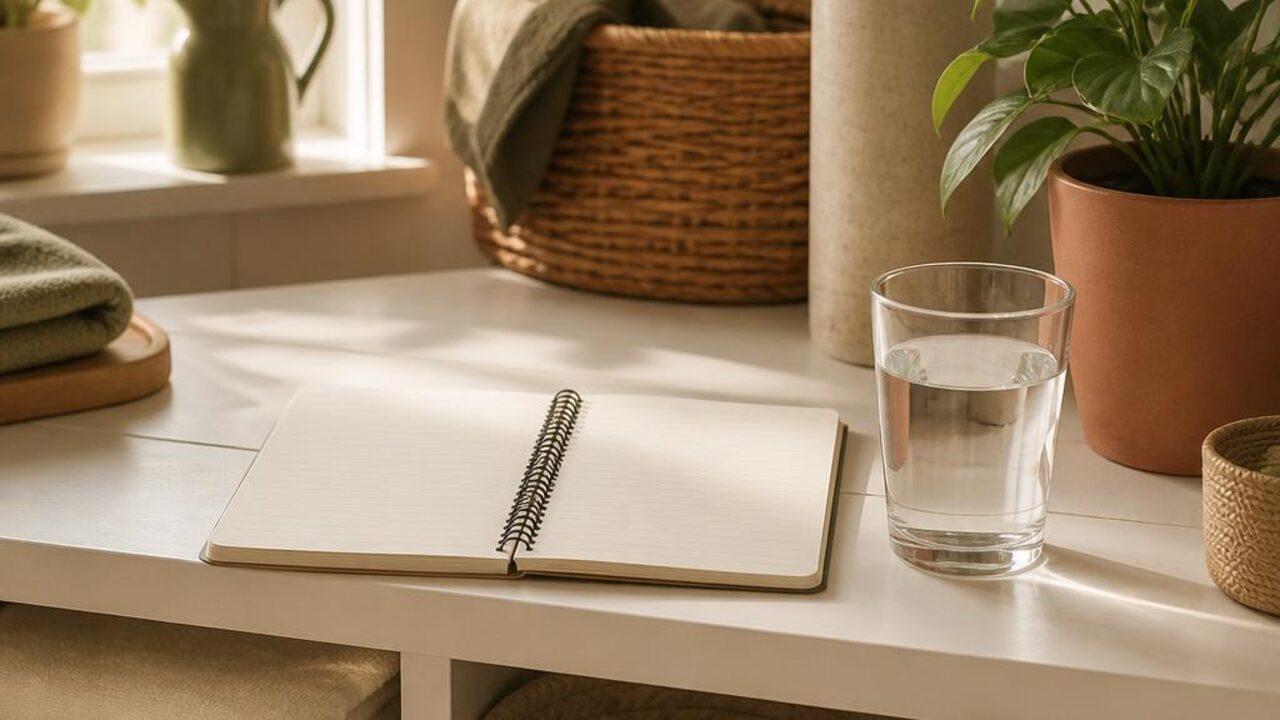
The simple household inventory checklist can help identify existing item records. The household document organizer offers a way to keep paperwork retrievable. Store dated observations in the Lucru Home journal.
If an insurer, property manager, or other organization gives you specific instructions, follow its current process and keep a copy of what you submit. For now, create the folder, add the dated items you have, and write down the next organization or person you need to contact.