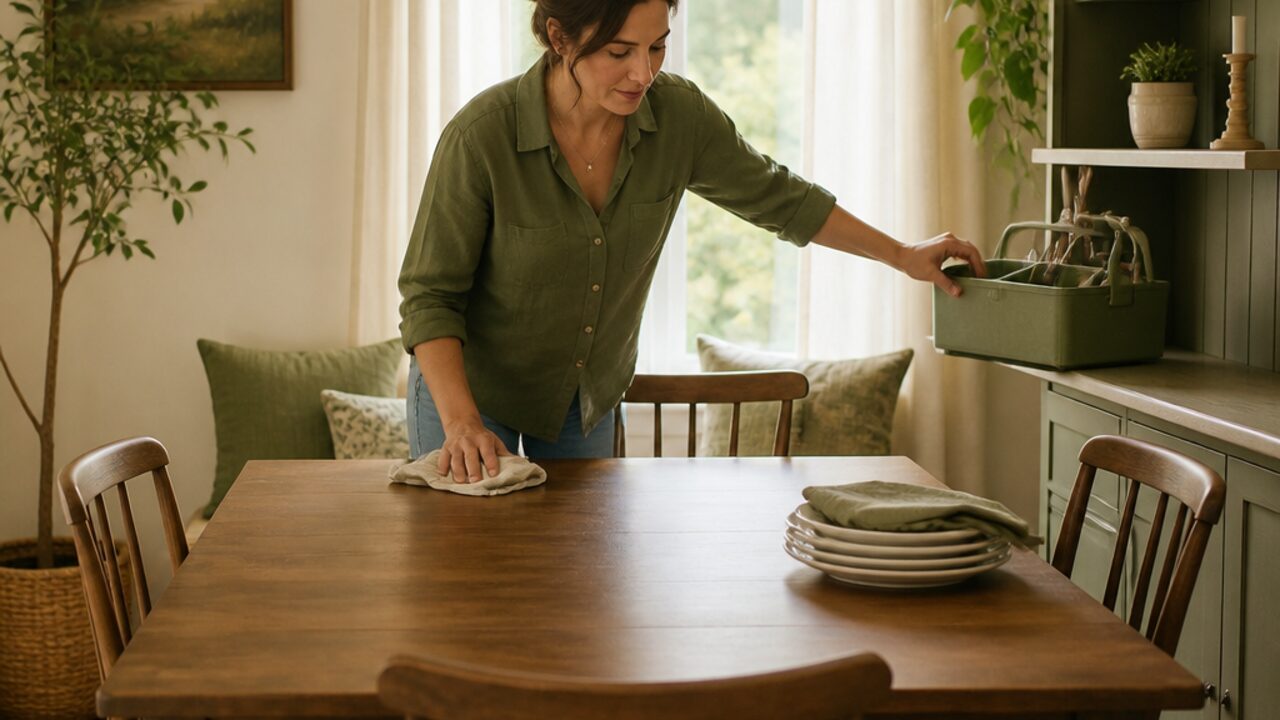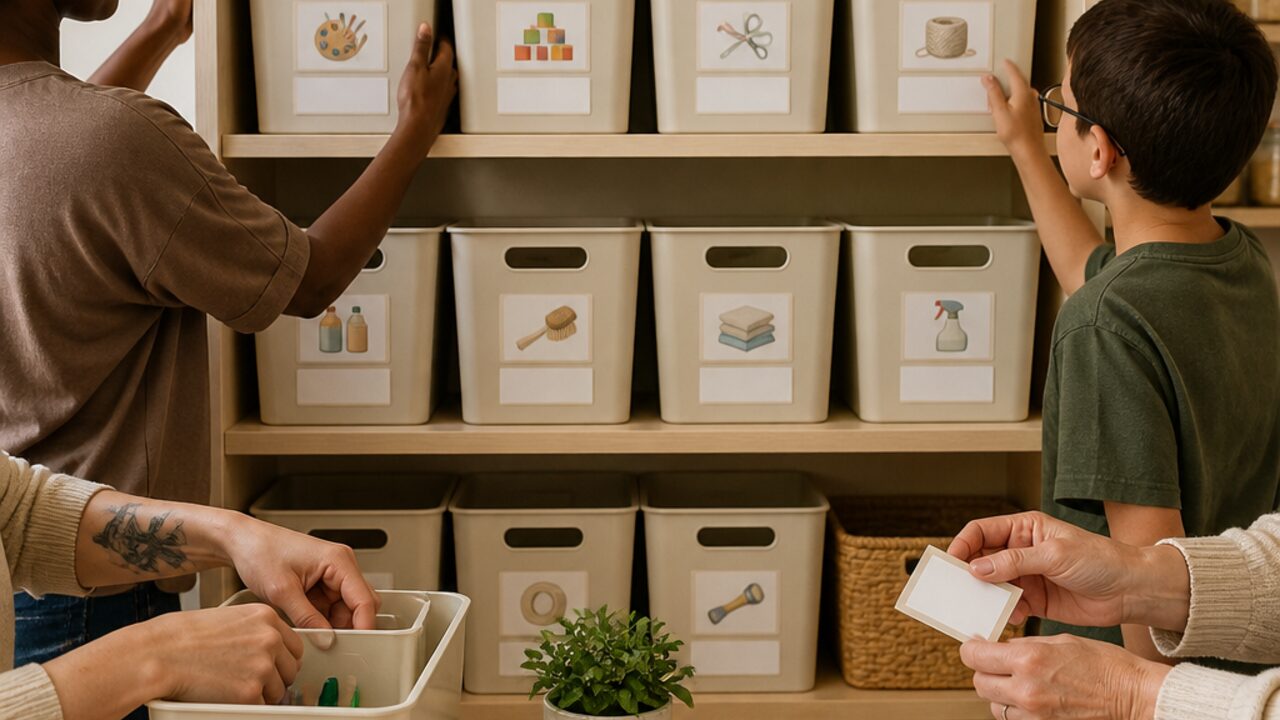
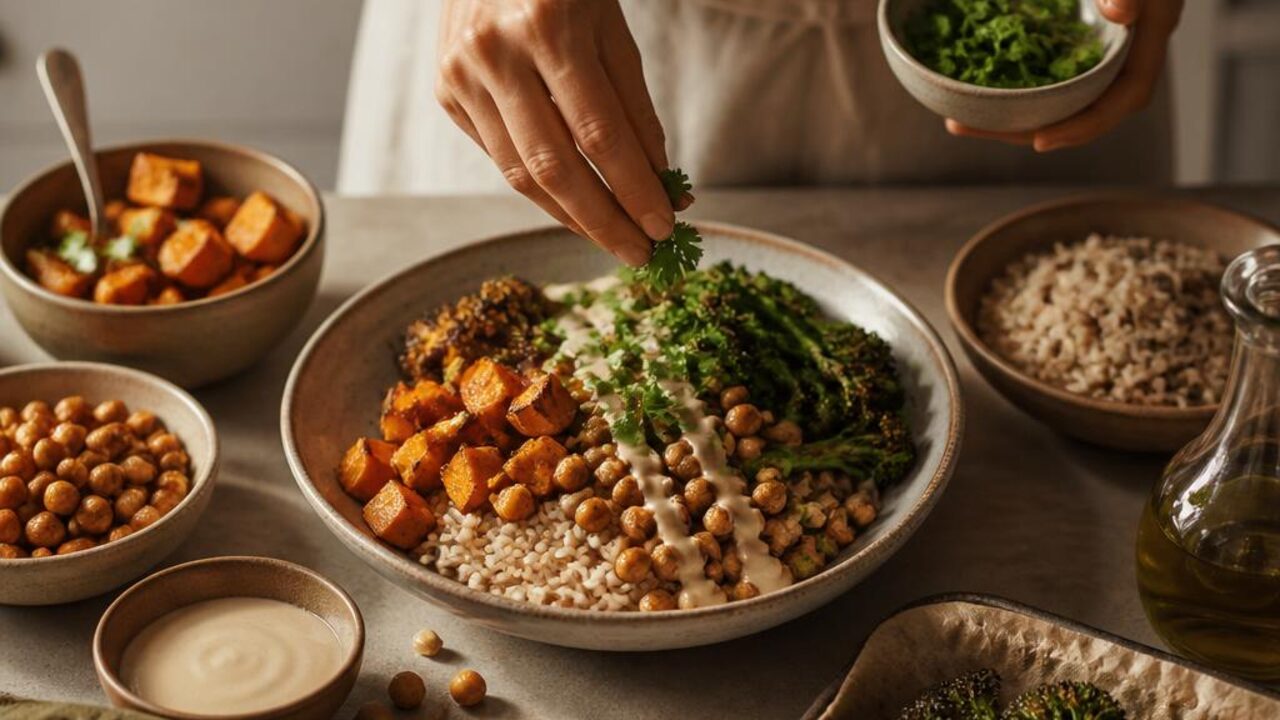
The most useful leftover meal plan is flexible. Treat yesterday's food as a starting ingredient, not a promise that everyone will eat the same plate again. Plan one or two ways to reuse what you have, keep portions separate when needed, and leave room for a quick alternative. That gives leftovers a job without making the week feel rigid.
Leftovers become easier when they are planned before the original meal is cooked. You can choose a meal that changes shape well, reserve a component for another dish, or simply mark one night as “use what is available.” The system should reduce decisions, not create a new rule about finishing every container.
Plan the second use before the first meal
When choosing a meal for the week, ask what could happen to the extra portion. Roasted vegetables might become a grain bowl, filling for a wrap, or a side. Cooked grains can support a different sauce or protein. A soup may be dinner for one person and lunch for another. The exact reuse depends on your household, so plan a direction rather than a fixed recipe.
Write down the second use while the first meal is still in your head:
- Reserve a component rather than mixing every ingredient together
- Note whether the food works hot, cold, or at room temperature
- Choose one sauce, topping, or side that changes the meal
- Decide which night has enough time for a small transformation
- Leave one flexible meal slot in case portions are smaller than expected
The pantry-first meal planning guide shows how to begin with ingredients already at home and choose meals that can accept substitutions. Leftover planning is the same kind of practical flexibility applied after cooking.
Plan components, not identical plates
Different tastes are one reason leftovers get ignored. One person may want the full meal, another may prefer only the rice or vegetables, and someone else may need a separate quick option. Build a shared base when it is useful, but do not make the second meal depend on every person wanting the same combination.
Keep components in forms that can be combined later. Store sauce separately when that makes sense. Keep a cooked grain or vegetable available for a bowl, wrap, or simple plate. If the original meal is already mixed, change the context with a new side, seasoning, or serving format instead of trying to recreate it exactly.
This is not about preparing three separate dinners. It is about leaving a little choice inside the plan so an ordinary preference does not turn the leftover into waste.
Use a simple leftover map
A leftover map gives each planned extra a likely destination:
- Original meal: choose a dish that produces a useful component.
- First leftover use: schedule the easiest reuse on a busy evening.
- Flexible option: keep the component available for a bowl, wrap, soup, or side.
- Review: if the household is not reaching for it, change the plan instead of carrying it forward indefinitely.
Keep the map in the weekly meal plan or recipe notes. Lucru Home's meal planner can hold the meals you expect to make, and its recipe library keeps repeatable recipes with details such as servings, prep time, and tags. Those records help you choose meals that fit the week rather than relying on memory.
Match leftovers to the actual calendar
Schedule the easiest leftover use after the original meal, while the food is still visible and the next step is clear. Put it on a night when cooking time is limited. Leave more time for a reuse that needs chopping, reheating, or an extra component. If the calendar changes, move the flexible meal rather than treating the original schedule as a contract.
At the weekly review, check:
- Which portions were actually eaten?
- Which component made the easiest second meal?
- Did a planned reuse need more time than expected?
- Was there enough variety for different household members?
- Which ingredient should be bought in a smaller or different quantity next time?
The meal-prep guide for busy weeknights covers a related approach: prepare components that make several meals easier without committing every night to an identical container.
Let the grocery list reflect the gap
After choosing your meals and leftover uses, check what is already in the pantry and refrigerator. Add only the missing ingredients and any small item that gives the leftover a new direction. You may need a tortilla, fresh herbs, a topping, or a side rather than a second set of ingredients for a complete new recipe.
Lucru Home can connect scheduled meals to a grocery list. Review that list against what you have before shopping, especially when the original meal and its second use share ingredients. The list is a starting point for your household's choices, not a reason to buy more food than the plan can use.
Know when to release the plan
A leftover is not successful just because it was scheduled. If the texture has changed, the portion is no longer useful, or nobody wants it, record the lesson and make the next plan different. Follow your normal food-safety practices and local guidance when deciding whether food is still suitable. A planning system should support sensible decisions, not override them.
The practical conclusion is modest: choose a meal with a possible second use, reserve components that can flex, schedule the easiest reuse on a busy night, and shop only for the gap. Open the Lucru Home meal planner to give those choices a clear place in the week.