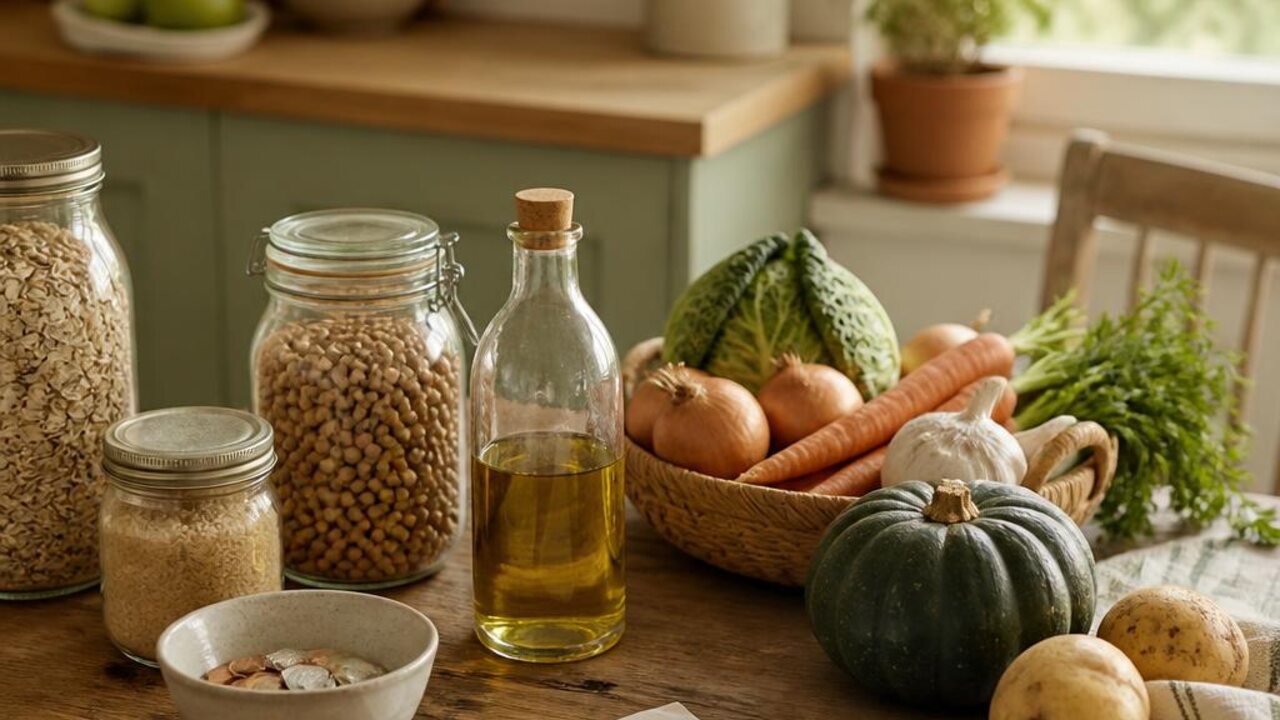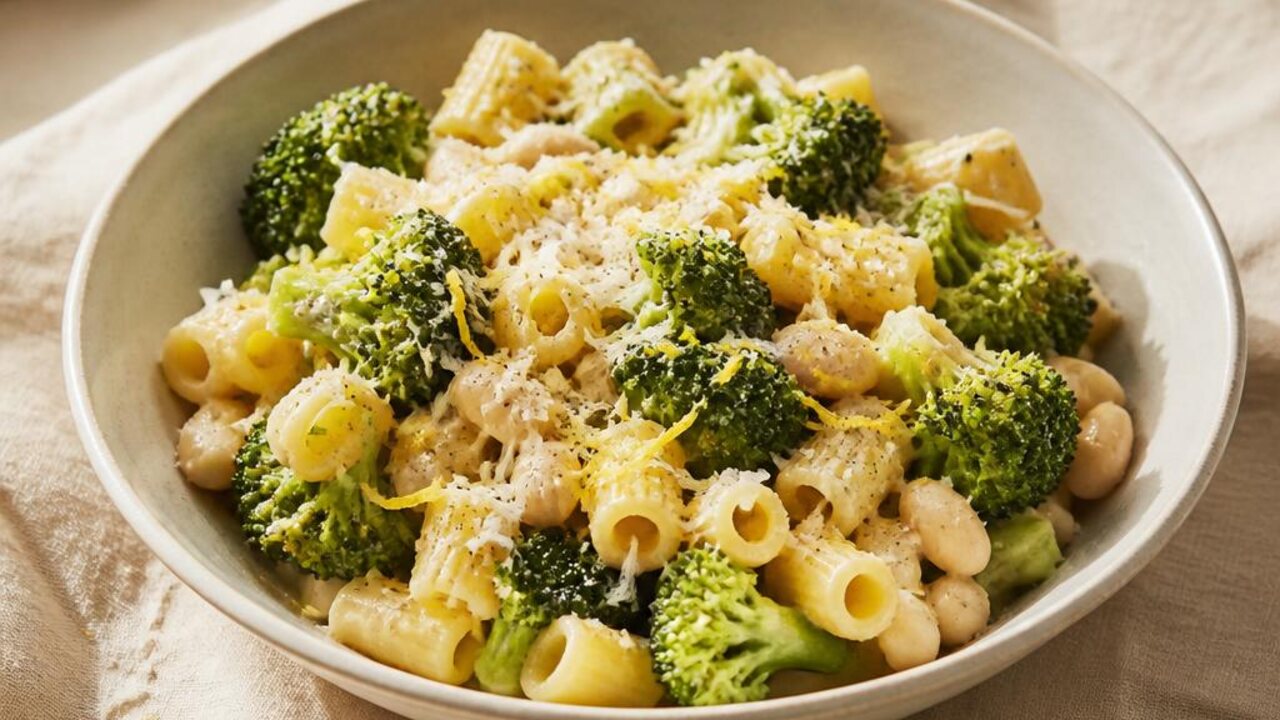
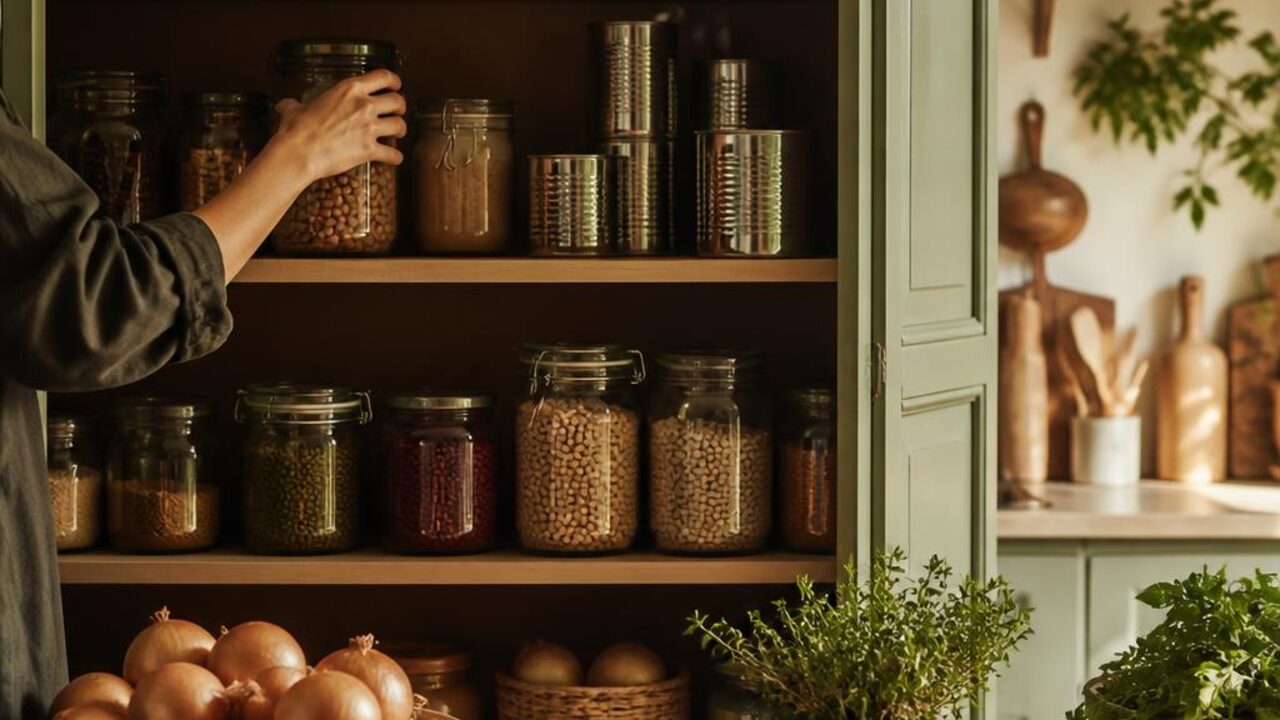
Pantry-first meal planning starts with a quick inventory, then builds a few meals around food you already have before adding new purchases. Check what needs using, choose flexible recipes, and buy only the missing ingredients. This approach is less about restriction than about making the food already in your home easier to see and use.
You do not need to use every leftover in one ambitious dinner. Two or three intentional choices are enough to change the shape of the week.
Take a useful snapshot
Look through the refrigerator, freezer, and pantry in sections. Notice open packages, produce that needs attention, and staples that can form a base for a meal. Record approximate quantities rather than spending time on unnecessary precision.
Prioritize:
- Perishables that should be used soon
- Open items that are easy to forget
- Ingredients that can serve more than one meal
- Staples that are low but still needed
The pantry inventory checklist gives a shelf-by-shelf order for this review. Keep food-safety decisions grounded in the condition of the food and local guidance, not in a planning shortcut.
Choose meals that can flex
Use meal patterns that accept substitutions: soup, pasta, grain bowls, omelets, sandwiches, or a tray bake. Start with one ingredient that needs attention, then add what will make a complete meal. If a recipe calls for a special ingredient you will use once, look for a reasonable alternative or choose another meal.
Plan the most time-sensitive food early in the week. Save shelf-stable ingredients for later and keep one fallback meal available in case the planned combination does not work.
Plan around the week's schedule
A pantry-first plan still needs to respect time and energy. Put a quick meal on the evening that is already full, and reserve more preparation for a night with space. Leave room for leftovers rather than assigning every ingredient to a separate dinner.
The weekly meal planning guide explains how to keep a plan flexible. In Lucru Home, save the meals you expect to repeat in your recipe library, place them in the weekly plan, and use the grocery list to identify only what is missing.
Buy with a gap list
After choosing the meals, make a gap list. Include missing ingredients, low-stock staples, and only the household supplies that actually need replenishing. Combine quantities when one ingredient appears in more than one meal.
This is where pantry-first planning differs from shopping first and hoping a menu appears later. The list supports a plan that already uses some of what you own.
Close the loop while cooking
Update the pantry as ingredients are opened and finished. Move older items where you can see them, and make a note when a substitute worked well. At the end of the week, keep the meals that felt useful and adjust the ones that created waste or extra work.
Make the next pantry-first week easier
Keep a short record of combinations that worked. “Beans plus tomatoes made an easy lunch” is enough. You can save the full recipe later if it becomes a repeat, but do not turn every improvised meal into documentation. The useful outcome is a few more reliable ways to use what you already own.
If the inventory reveals food that needs attention every week, change the shopping rhythm or the quantity you buy. If the same item is repeatedly forgotten, move it to a more visible place or include it in a recurring list. The system improves when it responds to what your home actually does, not to an ideal pantry.
The conclusion is deliberately modest: look first, plan two or three meals, shop the gaps, and update the picture as you go. Explore the Lucru Home pantry inventory to keep that first step close to meal planning.