A pantry inventory is not a demand to count every grain of rice. It is a practical snapshot that helps you shop with your eyes open. When you know what is available, what needs using, and what is genuinely missing, meals become easier and duplicate purchases become less likely.
Do the first inventory in sections. After that, maintain it in small moments while unpacking groceries and cooking.
Start room by room and shelf by shelf
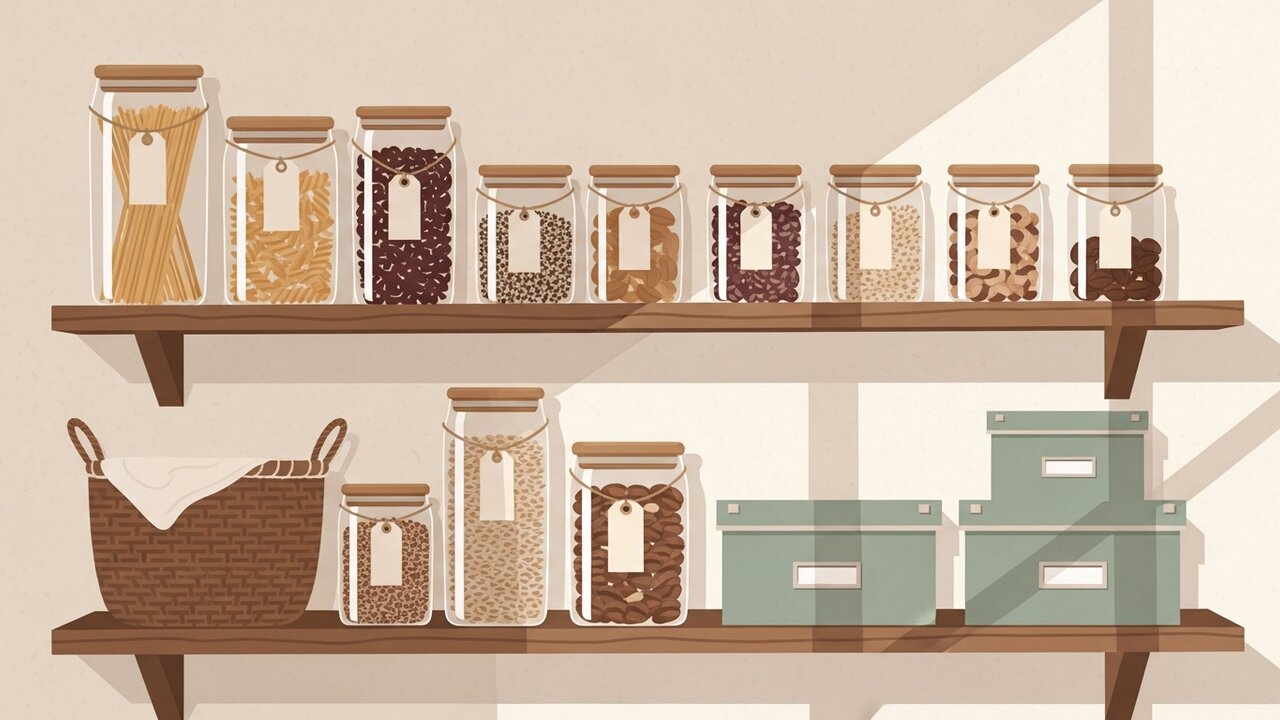
Choose one area at a time so the review has a clear finish. A useful order is pantry shelves, refrigerator, freezer, then household supplies if they share the same shopping list. Put like items together as you go, but do not turn the inventory into a full organizing project.
- Pull older items toward the front
- Group staples by type
- Note opened packages separately from sealed ones
- Mark items that need to be used soon
- Record approximate quantity, not unnecessary precision
The smarter pantry guide covers the ongoing habits that keep this snapshot useful.
Review dates with common sense
Check package dates and the condition of perishable food. A printed date is not a substitute for observing whether food is suitable to use. When in doubt about a perishable item, follow local food-safety guidance rather than taking a risk.
For non-perishables, dates can help you prioritize, but the most valuable information is often simply that an item has been forgotten. Put soonest-to-use ingredients where you will see them.
Turn the review into meal ideas
Before writing a grocery list, choose one or two meals around the items that need attention. A flexible soup, pasta, grain bowl, or tray bake can use several small amounts without requiring a special shopping trip. Add only the missing ingredients.
Lucru Home's pantry tools track quantities and highlight low-stock or soon-to-expire items. Use those signals as prompts for planning, not as a reason to buy automatically.
Compare the pantry with your plan
Look at the upcoming meal plan and cross off ingredients you already own. Add staples that are genuinely low, then check whether the amount matches the recipes. This short comparison prevents the familiar cycle of buying for a recipe, discovering the same item at home, and leaving both to expire.
If you do not plan meals every week, keep a short list of flexible staples your household uses. Revisit it before shopping instead of rebuilding it from memory.
Keep the system honest
The best inventory is one that is updated as part of existing actions. Add groceries while putting them away. Reduce a quantity when an item is opened or finished. Once a month, do a quick visual sweep of the less-used shelves.
Do not aim for a perfect database. Aim for fewer surprises and more meals made from what you already have. Pair this with the weekly meal planning guide. Explore the pantry inventory as part of a connected grocery and meal routine.