When several household members rely on one car, the useful plan is a clear schedule for trips, not a detailed vehicle log. Put appointments and essential errands first, then group nearby stops that fit the available time. Follow local rules and the vehicle owner's arrangements for its use.
Make the schedule visible
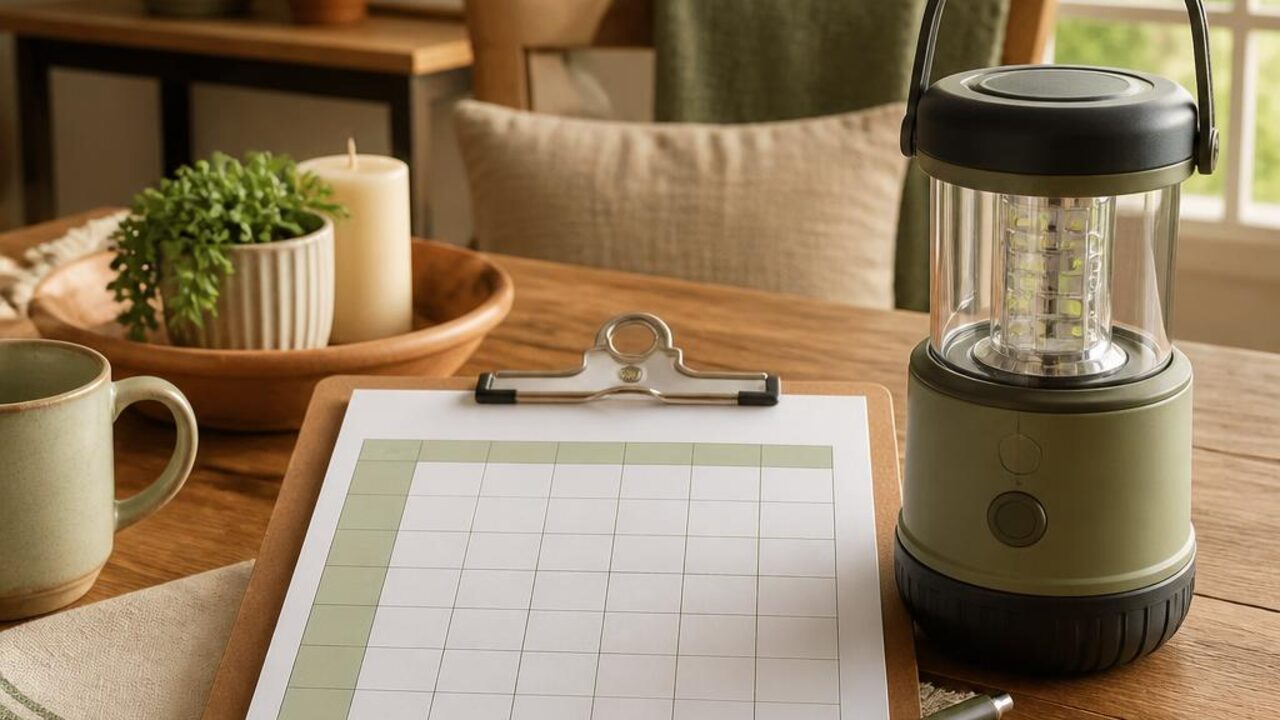
Choose one shared calendar or list where people can note when they need the car, where they are going, and when it should be available again. Confirm overlapping requests directly rather than assuming that a calendar entry resolves a conflict.
- Add appointment windows before flexible errands
- Group nearby stops when travel time allows
- Name who is responsible for the handoff
- Leave a little space for delays and schedule changes
Keep a backup for important trips
For a time-sensitive errand, decide what the alternative would be if the car is unavailable. That might mean rescheduling, using another agreed transport option, or asking someone for help. Do not overfill one trip just because the car is already out.
The grocery shopping guide for households without a car offers other ways to plan food trips, and batching household errands helps group stops realistically. Put planned trips on the Lucru Home to-do list.
A shared-car arrangement works when everyone can see the plan and confirm changes. Schedule essential trips first, leave room for delays, and agree on a backup for the errands that cannot wait.