A home goal can sound motivating and still be impossible to track. “Get the house under control” is a meaningful intention, but it does not tell you what to do this week or how to know whether you are moving. Progress becomes easier when the goal has a visible finish line and a few signs that show you are getting there.
Good tracking is not about measuring every minute. It is about making the next decision easier.
Define what progress looks like
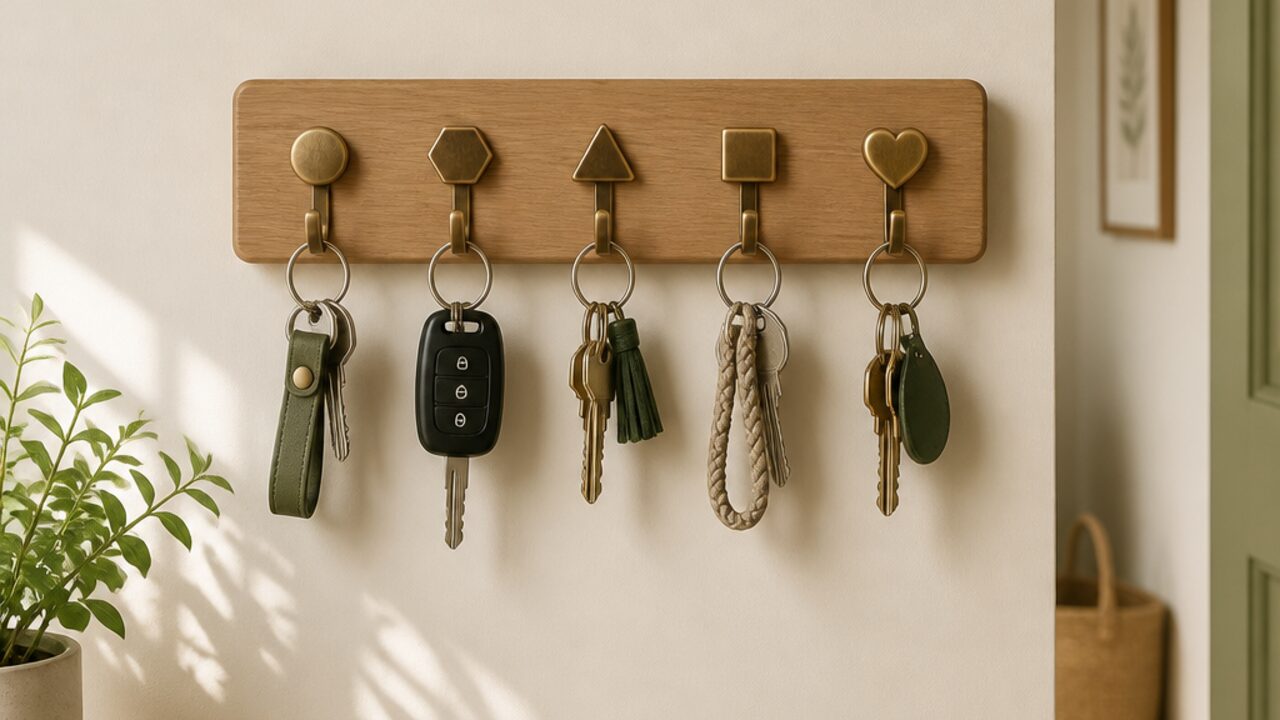
Write the result in a way another person could recognize. If the goal is to improve the entryway, the evidence might be a sorted shoe area, a clear landing surface, and a place for outgoing items. If the goal is to cook more often, the evidence might be a number of home-cooked dinners by the end of the month.
Start with three questions:
- What will be different when this goal is complete?
- What can I count, check, or point to along the way?
- What is the smallest milestone that proves the work has started?
The goal-setting guide explains how to choose a goal type that matches the result. A numeric target, checklist, project, habit, or duration goal each needs a different kind of evidence.
Break the result into milestones
Milestones should reduce uncertainty, not simply divide a large number into smaller numbers. A home organization project might move from deciding the boundary, to sorting one zone, to choosing where the keepers live, to maintaining the result for a week.
Keep the next few milestones visible:
- Define the scope and what is out of scope
- Finish one small area or repeat one behavior
- Review what made the next step easier or harder
- Adjust the following milestone based on what you learned
In Lucru Home, the goal view and progress statistics give you a place to check movement without rebuilding the plan in a separate document. Pair a goal with to-dos when the milestone needs a clear one-off action.
Collect light evidence
Evidence can be a completed checklist, a recorded amount, a streak of completed habits, or a short note about what changed. Choose the lightest form that answers the question. A photo may help with a decluttering project, while a count is enough for meals cooked or money saved.
Do not confuse evidence with proof for someone else. It is a prompt for your future self. If a record takes longer than the work it is meant to support, simplify it.
Review on a realistic cadence
Daily review can create pressure for a goal that only needs weekly attention. Weekly review can be too slow for a short project that needs a decision tomorrow. Choose a cadence based on how quickly the goal can drift:
- Check the next action whenever you work on the goal.
- Review milestones once a week for most household goals.
- Reconsider the scope at the end of a month or major season.
The weekly goal review offers a useful rhythm for checking whether your plan still fits. When circumstances change, adjust the target or deadline openly. A changed goal is easier to finish than an outdated goal you keep pretending still works.
Explore the Lucru Home goals workflow when you want goals, habits, and practical home actions to stay connected. Visible progress should make home life clearer, not make it feel like a performance.