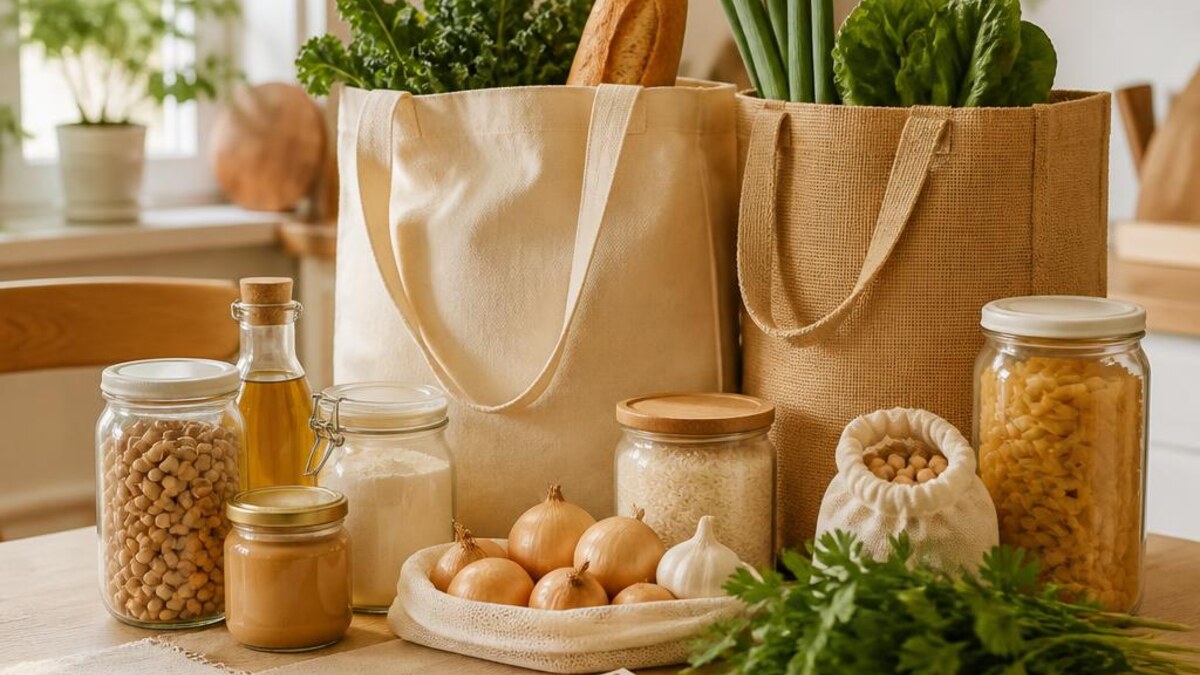
The first grocery list for a new household is not just a list of food. It is the beginning of a shared operating system. Two people may have different staples, routines, budgets, and ideas about what “we should always have” means. Writing everything down together prevents those assumptions from becoming repeated store trips or small arguments.
Start with a useful baseline, not a perfect pantry. The system can grow as you learn how the household actually eats.
Separate essentials from preferences
Make three lists before opening the shopping app:
- Essential basics: items needed for planned meals, breakfast, hydration, and simple fallback food.
- Household supplies: paper goods, cleaning items, laundry products, and other shared basics.
- Preferences: snacks, brands, ingredients, and optional treats that matter to one or more people.
This separation makes tradeoffs easier. An essential is not automatically the most expensive version, and a preference should not quietly become a shared requirement. The grocery list by store section guide can help organize the final list so the shop follows the store instead of the order in which ideas arrived.
Ask what “always on hand” means
Every household has a different pantry baseline. One person may expect rice, oats, and canned tomatoes. Another may rely on bread, eggs, and frozen vegetables. Instead of importing someone else's list, ask:
- Which two breakfasts should be possible without planning?
- What can we make when dinner plans change?
- Which ingredients do we use weekly?
- Which items do we both want, and which should remain personal?
Keep the first baseline short. Add an item after it has earned a place through repeated use, not because a list online said it belongs in a well-stocked kitchen.
Plan the first shop around actual meals
Choose a few meals for the first several days and check the pantry before buying anything. Include one flexible meal that can absorb leftovers and one low-effort option for the night unpacking or moving takes longer than expected. The moving in together home system has more ways to establish shared routines while the rest of the home is still settling.
Use servings that match the household. Buying for an imagined future week creates waste and makes the first shop harder to carry, store, and budget. If you do not yet know your rhythm, buy enough for a short, realistic period and review what disappeared first.
Make ownership visible
The person who notices an item is low should not automatically become the person who buys it. In Lucru Home, a shared grocery list lets either person add an item and see what is still open. Add a short note when it helps: preferred size, acceptable substitute, or store section.
Agree on a simple ownership rule:
- Anyone can add a needed item.
- The person making the next shop checks the full list.
- The person who buys it marks it complete.
- The other person checks the list before starting a duplicate trip.
This is enough structure to share the load without assigning every item to a permanent shopper.
Review the first two trips
After the first shop, note what was missing, duplicated, or unused. Ask whether a preference belongs in the shared baseline or should be bought separately. Adjust quantities before adding more categories.
A new household grocery system succeeds when both people can understand it without a private explanation. Keep the list visible, group it by section, and let the baseline reflect the meals and supplies your home actually uses. Clarity in the first few shops is more valuable than a long list that tries to predict the entire year.