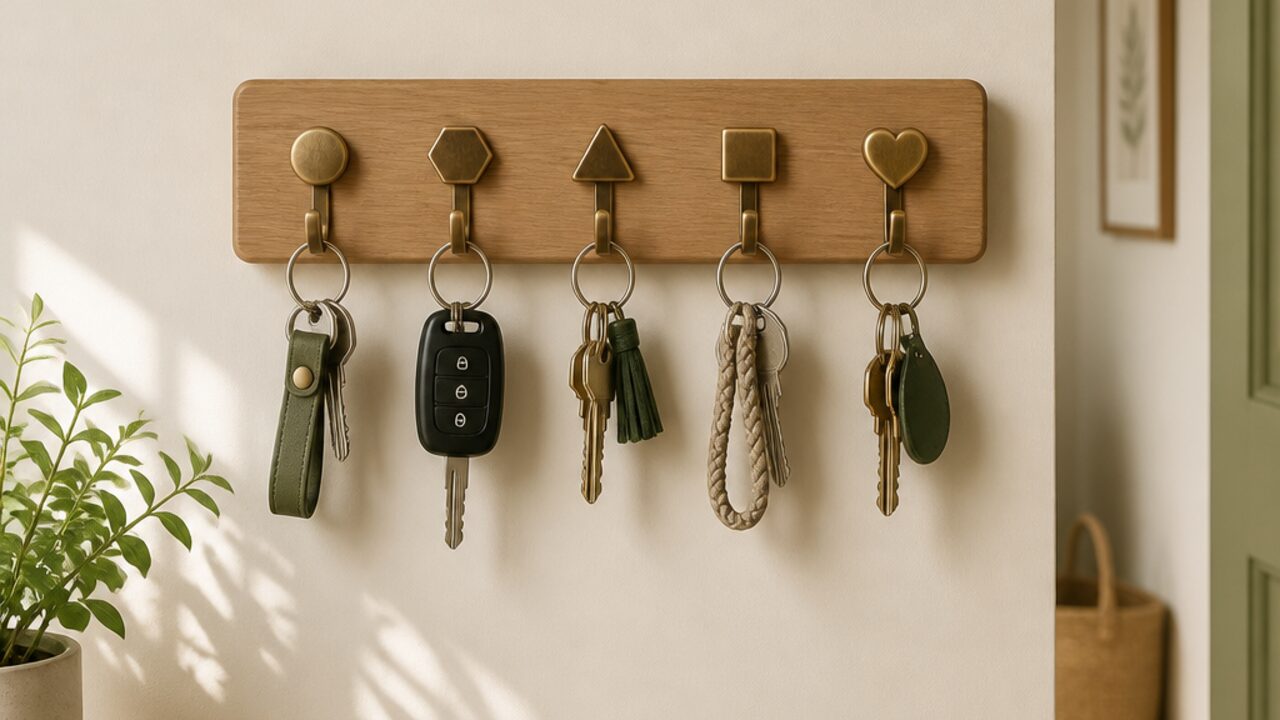

A household command center sounds complicated because the name suggests a wall of calendars, color-coded folders, and a dozen rules. In practice, it is simply the place your household checks when it needs to know what is happening next. The best one is not the fullest. It is the one people trust.
The goal is to replace scattered notes and repeated questions with a shared view that stays current.
Choose the information that changes decisions
Do not start by moving every piece of household information into one system. Start with the things that affect more than one person:
- What needs to happen today or this week
- What meals are planned and what groceries are missing
- Which cleaning or home-care tasks are due
- Which bills, appointments, or decisions need attention
Personal journaling, private reminders, and long-term reference documents may belong somewhere else. A command center earns its place by answering everyday questions quickly.
Give each item one home
Information becomes hard to trust when the same task lives in a text thread, a paper list, and an app. Choose one home for each kind of work. Lucru Home can keep recurring habits, one-off to-dos, meals, groceries, cleaning tasks, goals, and budget context connected without asking everyone to rebuild the same list.
The Today Hub gives the household a useful starting point for the current day. A weekly household review can hold the wider scan.
A system is calm when it reduces questions instead of creating new places to look.
Make the next action visible
Avoid headings such as “car,” “school,” or “house.” Turn them into actions with an owner and a useful date. “Book the oil change” can move. “Car” cannot.
Review the command center once a week. Remove finished items, move what changed, and ask which part people stopped trusting. The right system gets lighter over time. Open the Lucru Home home management app when you want the household's next actions to share one practical home base.