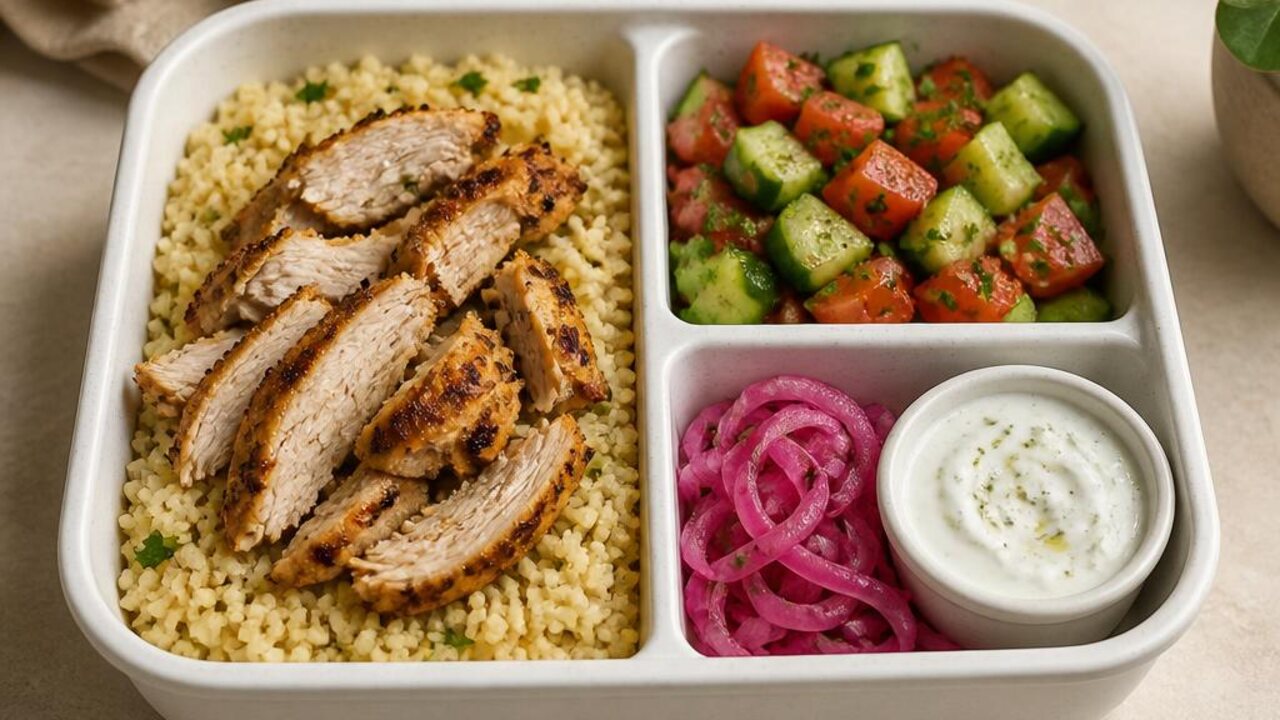
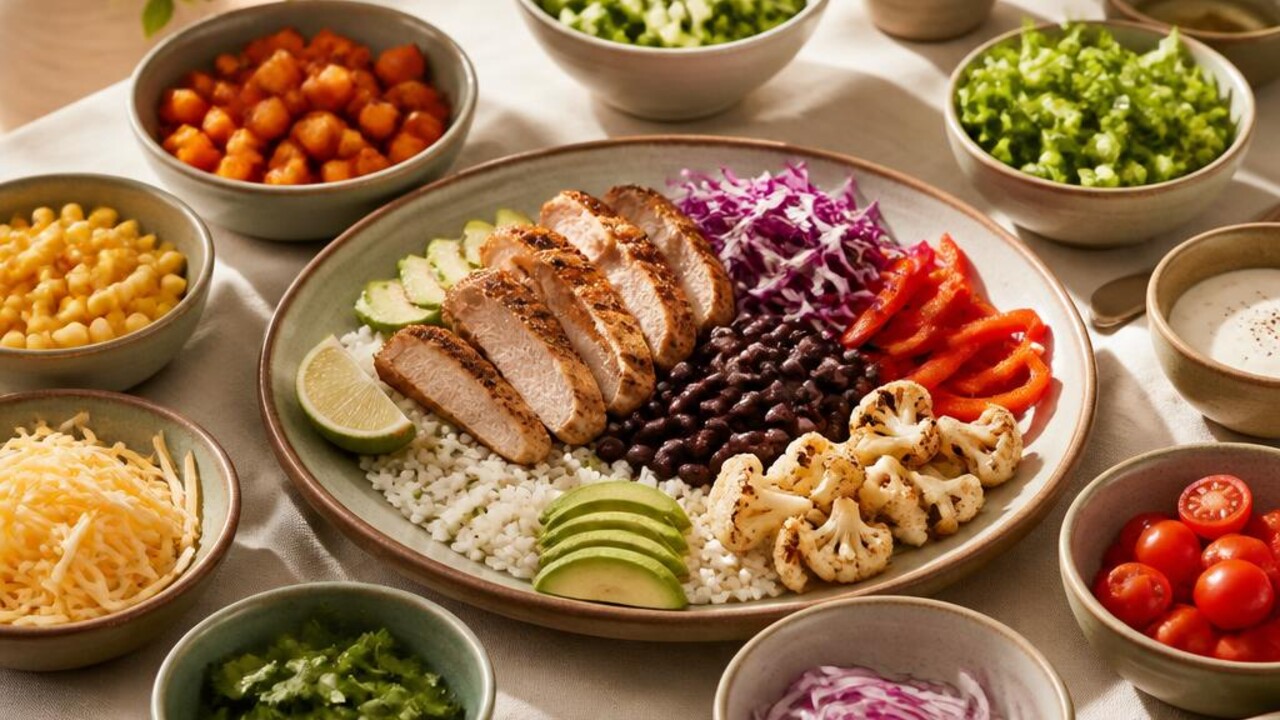
Meal planning gets complicated when everyone has a different idea of a comfortable dinner. The answer is not always cooking several complete meals. A more sustainable approach is to plan dinners as shared components, with a familiar option and one or two additions that can change the plate without changing the whole kitchen routine.
This is a planning guide, not a rule about what anyone should eat. Preferences vary, and the household should decide what feels respectful and workable.
Plan the base, the choice, and the finish
Build dinners in parts that can be served together. A grain, protein, vegetable, sauce, or topping can be combined in different ways. The meal still has one cooking plan, but people do not have to accept every element in the same form.
For each dinner, note:
- The shared base, such as rice, pasta, flatbread, or potatoes
- The main option, such as beans, chicken, eggs, or another family favorite
- A familiar component that can be served plainly
- A topping or sauce that can stay on the side
The meal rotation system is useful for choosing dependable dinners before you add flexibility. Start with meals the household already accepts, then vary one component at a time.
Keep preference notes practical
Preference notes should help the next meal decision, not become a long list that makes every dinner feel like a negotiation. Record useful distinctions such as “sauce on the side,” “prefers crisp vegetables,” or “try a smaller portion first.” Review the notes occasionally because preferences and circumstances change.
In Lucru Home, keep the meal plan focused on what you expect to cook and use recipe notes for details that make the meal repeatable. A short note can save a future conversation without turning the planner into a profile.
Use fallback meals on hard days
Some days do not have enough time or energy for a new combination. Keep two or three fallback meals that use familiar ingredients and minimal steps:
- A simple sandwich or toast plate with fruit
- Pasta with a sauce and optional toppings
- Eggs, rice, or another quick base with separate add-ins
Planning a fallback is not giving up on variety. It prevents one difficult dinner from forcing an emergency shop or several separate meals.
Let leftovers stay flexible
Leftovers can become components for another meal rather than a required repeat of the same plate. Serve roasted vegetables in a wrap, use rice as a bowl base, or let people choose a different combination the next night. The leftover meal planning guide has more ways to plan this without creating a second menu.
Schedule the meal in the Lucru Home meal planner, then let the grocery list collect the ingredients you actually need. A shared plan with flexible choices is more useful than a perfect menu that nobody can live with.