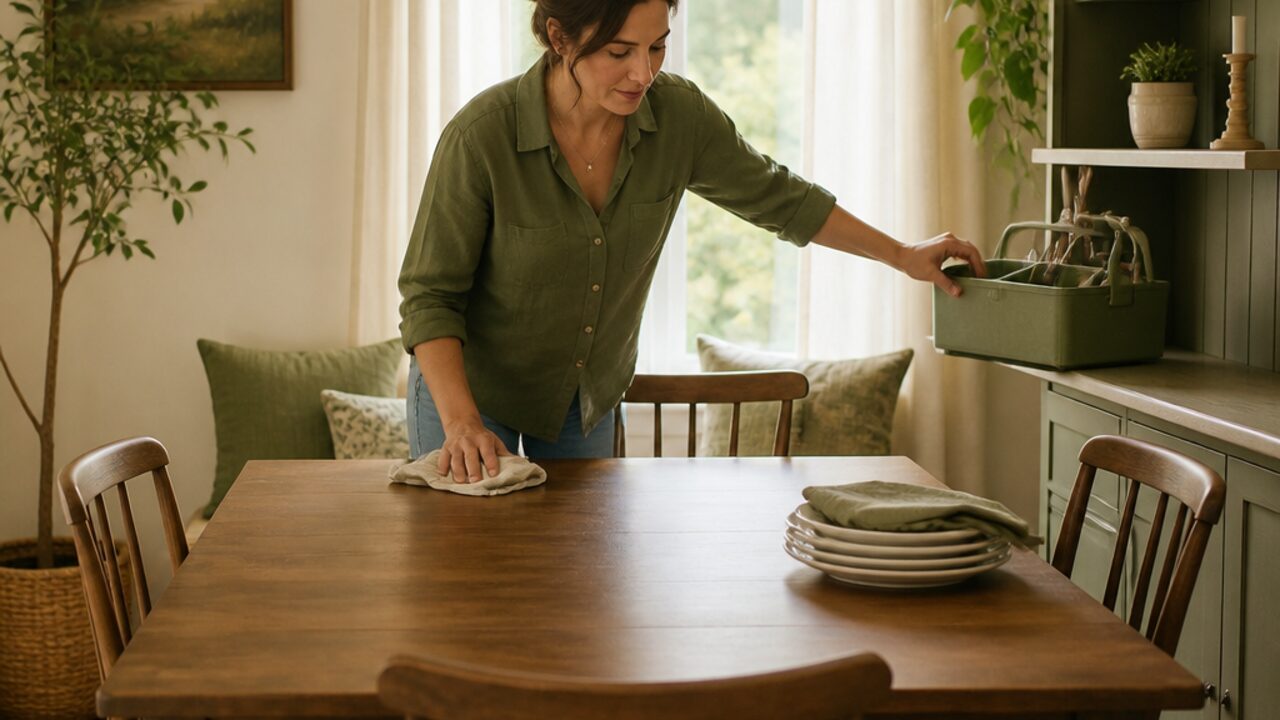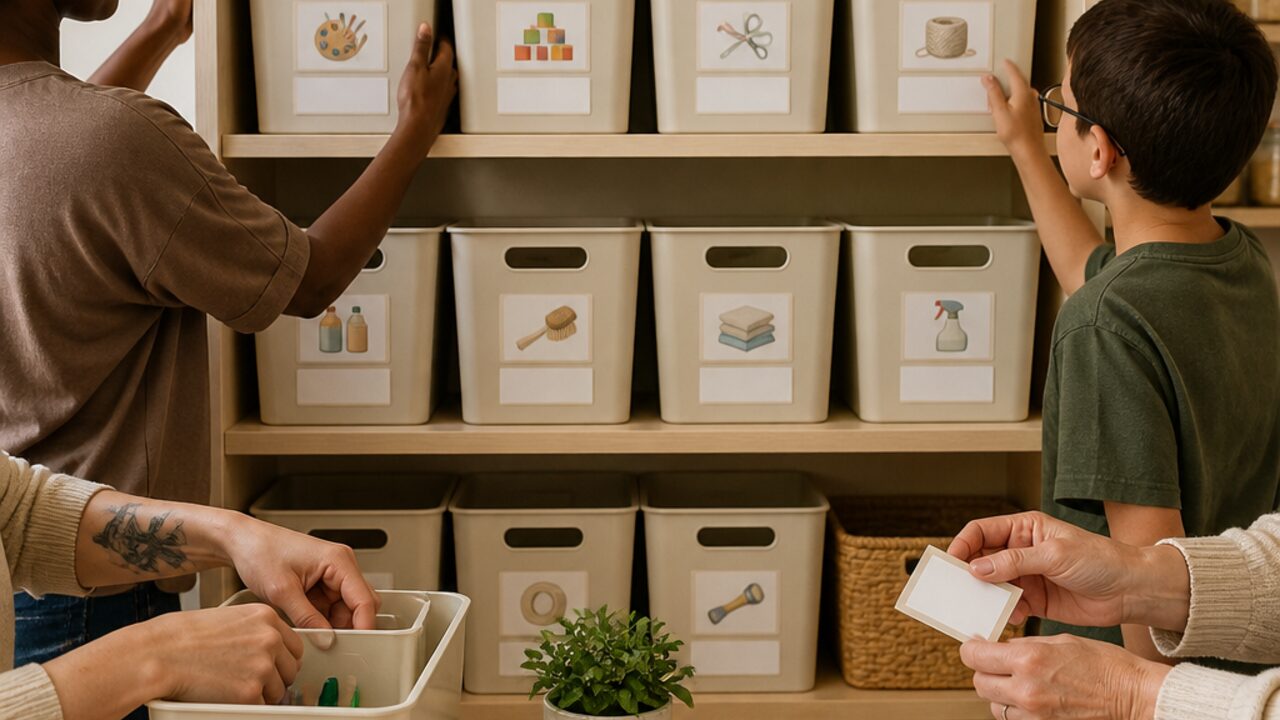

Meal planning in a compact kitchen is less about fitting more food into the space and more about reducing the number of things competing for it at once. Choose meals that share a few useful ingredients, use appliances in a sensible order, and leave room for a flexible night.
The best plan respects the kitchen's limits. It does not assume a second oven, a large freezer, or an empty counter waiting for prep.
Start with the kitchen, not a recipe list
Before choosing meals, note the constraints that shape the week:
- Which appliance can be used without blocking the rest of the kitchen?
- How much fridge and freezer space is available?
- Which ingredients need to be used first?
- When will more than one person need the counter?
This quick inventory keeps the plan grounded. A meal that looks simple on paper may be awkward when it needs three burners at the same time or a large bowl with nowhere to put it.
Choose flexible ingredients with different uses
Pick a small set of ingredients that can move between meals without making every dinner identical. Cooked grains can become a bowl or a filling. Greens can go into eggs, soup, or a sandwich. A sauce can work with vegetables, noodles, or beans.
Plan the order around storage and freshness. Use the most delicate items early, then rely on sturdier ingredients and pantry basics later. Keep one meal flexible so a delayed shop or missing appliance does not collapse the whole week.
In a small kitchen, a good meal plan creates empty space as deliberately as it creates dinner.
Plan the sequence, not just the dishes
When counter space is shared, timing matters. Write down the useful sequence:
- Clear one work surface before starting.
- Prep ingredients for the meal with the least storage life.
- Cook one component that can serve another meal.
- Wash or store equipment before the next cooking window.
This prevents a batch of prep from taking over the kitchen for the entire day. It also makes handoffs easier when more than one person cooks.
The small-space home management guide has more ideas for reducing visual and storage friction around the home.
Keep a compact rotation
Use a short rotation of meals with different textures and effort levels. Include a no-cook meal, a one-pot option, a meal that uses leftovers, and a flexible pantry meal. Variety can come from sauces, toppings, and sides rather than a completely new shopping list each night.
The meal rotation system can help you build that repeatable set. Put the selected meals into the Lucru Home meal planner, then review the ingredient list against your actual storage before shopping.
A compact kitchen can support satisfying meals when the plan works with the space. Keep the ingredient set flexible, protect a little counter room, and let the week include a night that asks almost nothing of the kitchen.