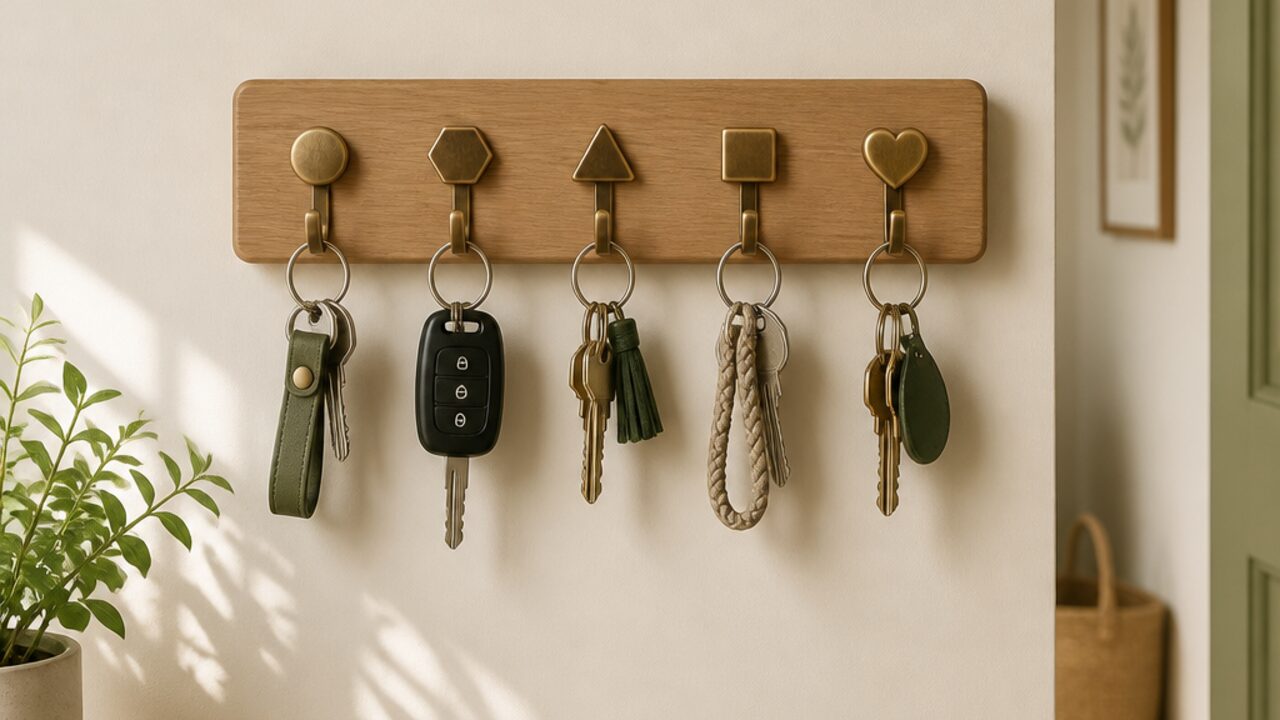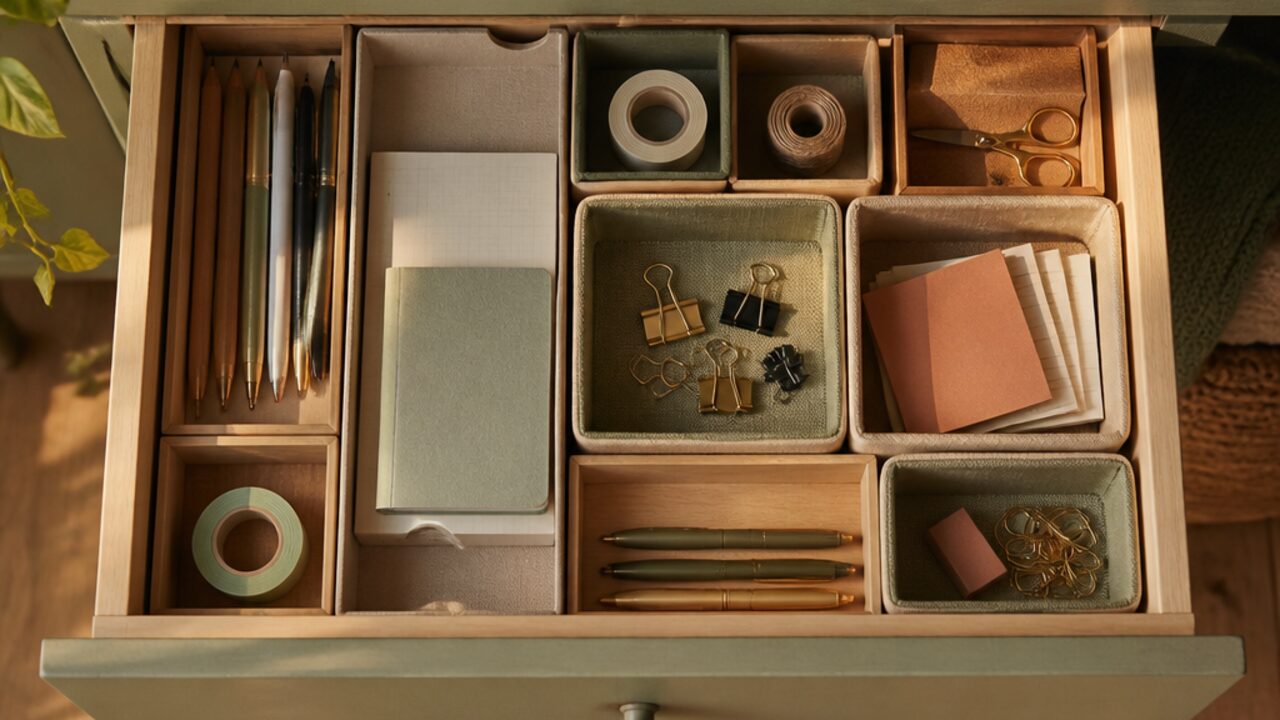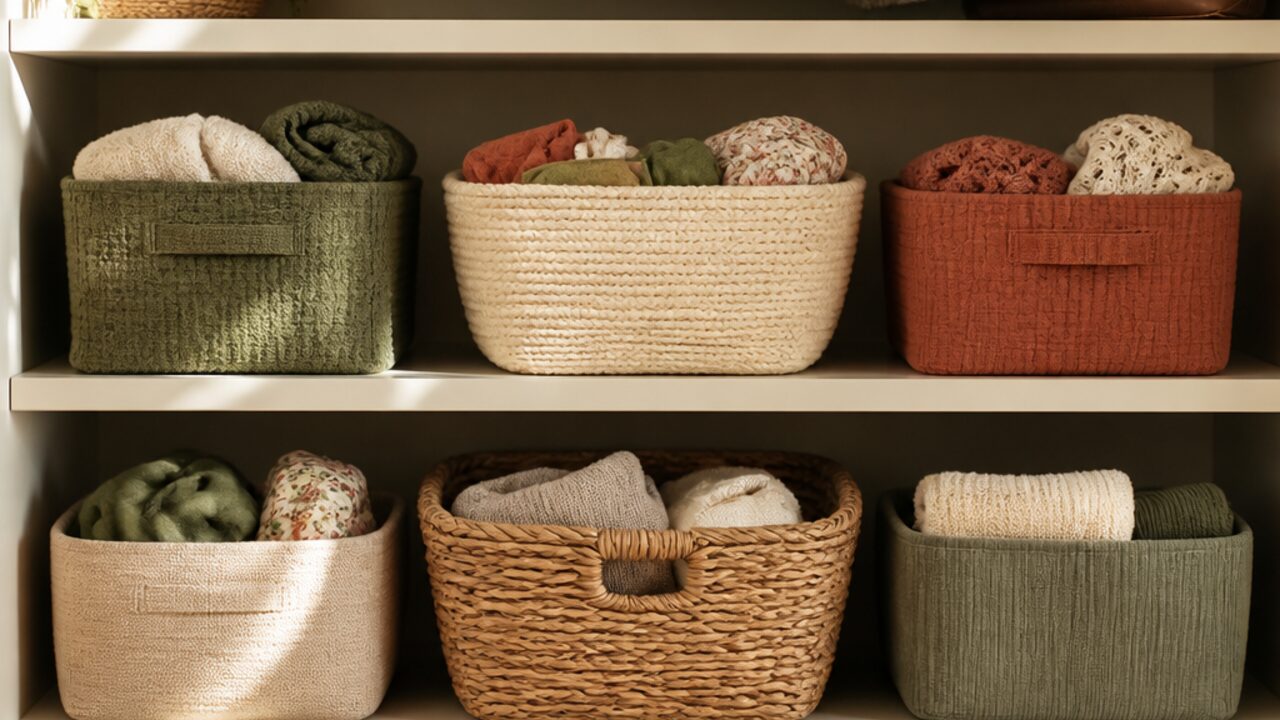
One equipment-closet shelf can hold infrequently used personal gear and shared supplies when the boundaries are visible. Choose a section or container for each person, reserve one clearly shared area, and agree what happens when a section becomes full.
Assign the physical space
Empty only the overflow shelf you are organizing. Measure its usable width and height, then divide it into sections for infrequent personal gear and shared supplies. A basket, removable tray, or simple shelf divider can make an edge clear without requiring a permanent change to the room.
- Label personal sections with names or symbols the household agrees on.
- Keep common supplies in a separate, shared section.
- Leave a little room for an item to be returned without rearranging everything.
- Do not move someone else's belongings while setting up the zones.
Agree on the overflow rule
Decide what happens when a personal section fills. The next step might be a second agreed container, a review with its owner, or moving the item to its normal private storage. Keep the rule neutral and consistent for everyone.
The shared-storage boundary agreement helps a household discuss ownership before reorganizing, while household task handoffs can keep a follow-up from relying on one person. Add a brief review to Lucru Home after the shelf has been used for a week.
Label one shelf together
Ask each person using the shelf to choose a section, mark the shared area, and agree on an overflow step. Test the layout before adding organizers to other rooms.