The 5-5-5 rule for cleaning is not standardized, so different people use the phrase for different routines. One practical version is five minutes of cleaning in each of five zones, creating a 25-minute reset.
This version is for restoring order and handling small messes, not for completing deep cleaning. Other versions may use the numbers for tasks, rooms, or days, so check the definition before following a particular checklist.
Choose five useful zones
Pick areas that affect daily life and can be improved quickly. Keep the zones small enough that five minutes creates a visible change.
- Kitchen work surfaces
- Dining table or main eating area
- Living-room floor and seating
- Bathroom sink and counter
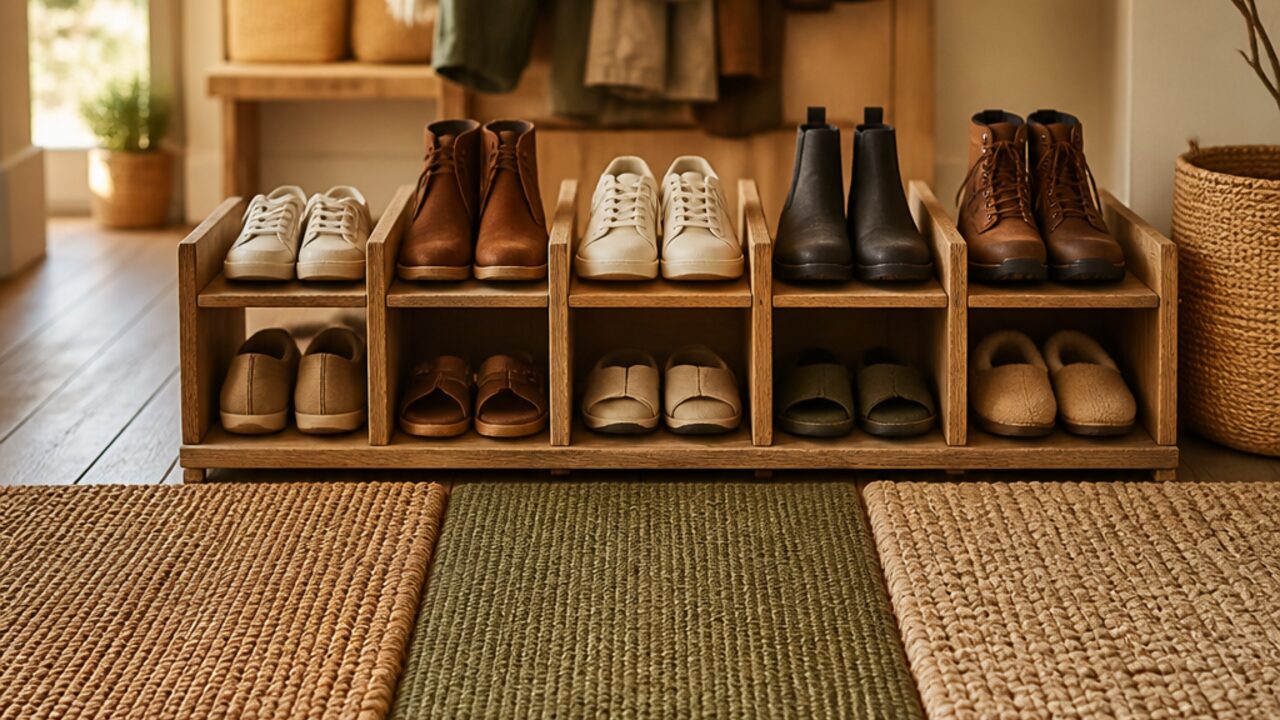
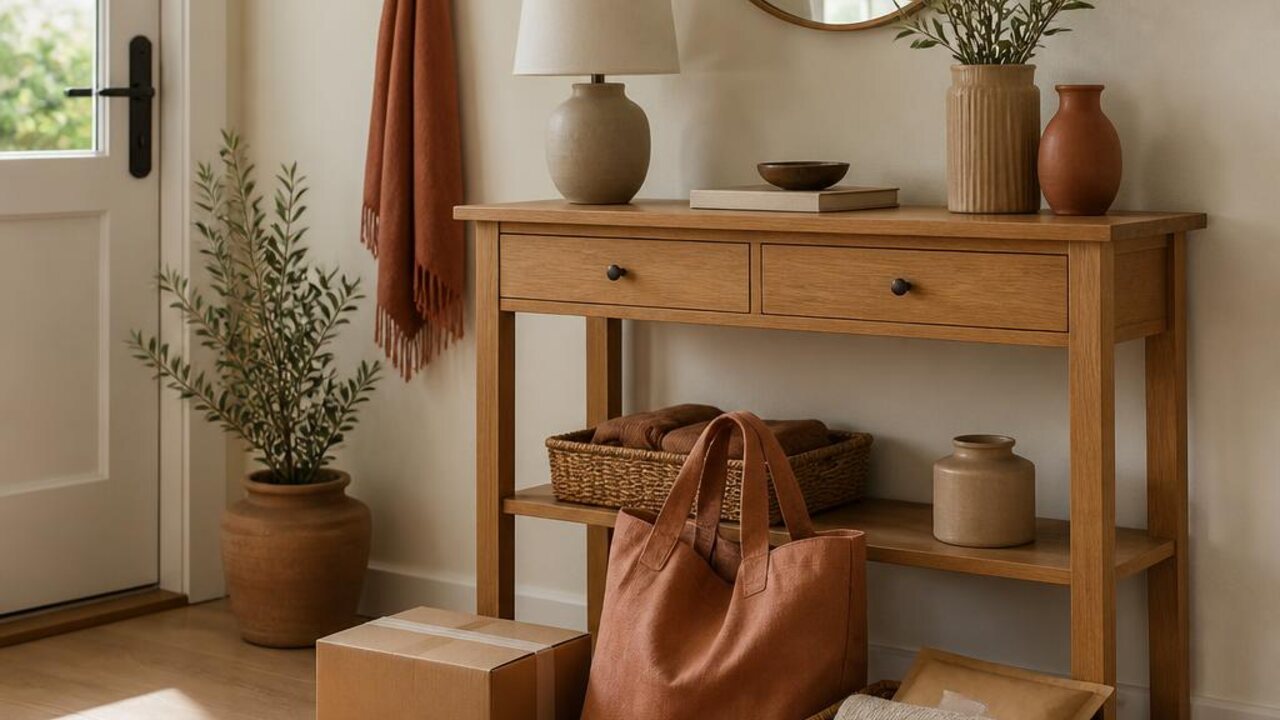
- Entryway or laundry drop zone
Give each zone one purpose
In each zone, put away out-of-place items first, then remove rubbish, then do a quick wipe or sweep if appropriate. Do not start a project such as reorganizing a drawer while the timer is running.
Use small-space home management for tighter rooms, and borrow a priority order from the guest-ready home reset when guests are expected.
Decide what waits
Write down jobs that need more than a reset, such as cleaning inside an oven or washing windows. Plan those separately in the Lucru Home cleaning schedule so they do not disappear from view.
A 5-5-5 reset succeeds when the home is easier to use afterward. It does not need every surface to be spotless or every zone to receive identical work.
Set up the reset before timing it
Walk through the five zones once and remove anything that creates a safety issue or blocks a path. Place a rubbish bag, a laundry basket, and a small return basket where they can be reached quickly. Select only the cleaning supplies appropriate for the surfaces you plan to touch. This preparation prevents the five-minute blocks from being spent searching for a cloth or deciding where an item belongs.
Use a visible timer and move on when it sounds, even if a zone is not perfect. The reset is designed to distribute limited attention, not to finish the most difficult area at the expense of every other room.
Work through a realistic example
In a kitchen, five minutes might mean loading dishes, wiping crumbs from the counter, and putting food away. In a living room, it might mean returning books to a shelf, folding a blanket, and collecting cups. At the bathroom sink, remove used items, wipe the counter, and replace a hand towel if needed.
The work should be responsive. If a spill needs immediate attention, handle it first and make that zone's remaining work smaller. If a zone is already tidy, use its five minutes for a nearby task or end early. Do not create mess in one room by carrying armfuls of belongings through the house.
Adapt the zones for real life
Five zones do not have to be five rooms. A small apartment could use kitchen, bathroom, desk, sofa area, and entryway. A larger house might use only the most active shared spaces, leaving bedrooms for a separate routine. In a home with children, one zone can be a toy pickup completed together. In a home with mobility constraints, choose reachable tasks and avoid a plan that requires repeated stairs.
This approach does not fit every situation. It is not a substitute for cleaning after a raw-food spill, addressing an urgent bathroom problem, or following a product's required dwell time. It also will not solve a storage problem that needs decisions about what stays. Put those larger jobs on a separate plan.
Close the loop after 25 minutes
Take the return basket to its destination only if that can be done quickly. Otherwise, label it for the next reset. Return supplies, wash reusable cloths as appropriate, and make a short note about one task that deserves a longer session. That note keeps the reset from becoming a way to avoid necessary maintenance.
FAQ
Must each zone get exactly five minutes?
No. Five minutes is a useful structure, not a universal requirement. You can shorten a zone that is already in order or give a little more time to an urgent, contained mess.
Is this the only meaning of 5-5-5?
No. The phrase is used for several cleaning routines. This article uses the five minutes in each of five zones version because it creates a clear 25-minute reset.
How often should I do it?
Use it when a quick shared-space reset would help: after a busy day, before a weekend, or on a chosen routine day. Frequency should match the household rather than a fixed rule.