A shared meal plan does not require everyone to eat at the same hour. When schedules differ, the goal is not to create two completely separate menus. It is to prepare a few flexible components that can be served at different times without leaving one person guessing what is available or how much to save.
The most useful plan answers four questions: what is being made, how many portions belong to each person, how it should be stored or reheated, and who owns the final step. Once those details are visible, different schedules become a coordination problem instead of a nightly negotiation.
Plan components before complete plates
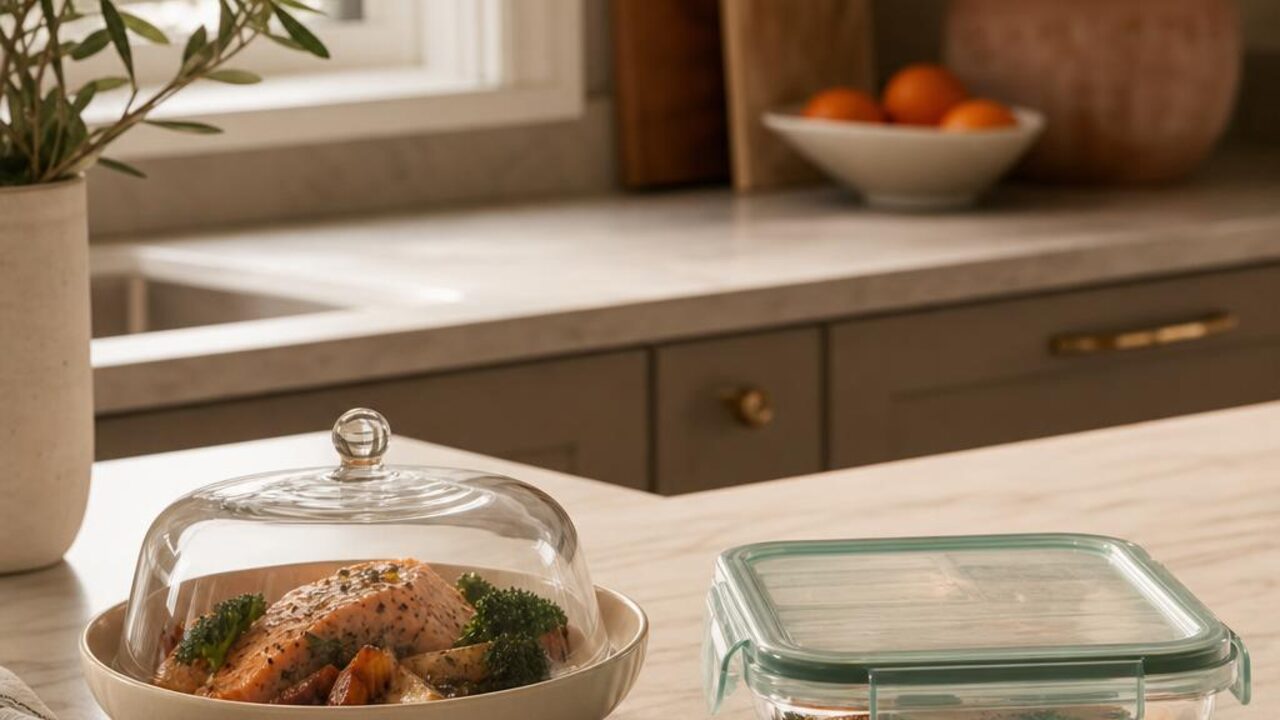
Choose meals that can change shape without creating extra work. A cooked grain, roasted vegetables, a protein, a soup, or a prepared sauce can become a bowl, wrap, salad, or reheated plate. Keep delicate toppings and fresh herbs separate so the later meal still feels intentional.
For each dinner, write a short component plan:
- Main component and approximate portions
- Flexible side or vegetable
- Fresh item added at serving time
- Storage container or shelf location
- Reheating method and any texture note
This is more useful than simply writing “chicken dinner,” because the person eating later can assemble a meal without opening every container.
The meal rotation system can help you choose dependable meals that repeat without feeling identical. Use it as a menu of patterns, not a rule that every day must look the same.
Decide portions while planning
Different schedules often mean different appetites, workdays, or meal patterns. Do not assume that one large container is automatically a fair or useful split. Mark which portions are for tonight, which are tomorrow's lunch, and which are flexible.
If one person is eating much later, reserve their portion before serving the first meal. A simple label such as “late dinner” or “two servings for tomorrow” prevents accidental use without making the fridge feel controlled. If portions change, update the plan rather than treating the original estimate as a promise.
Give reheating its own instruction
“Leftovers” is not enough information when people eat at different times. Note whether a dish reheats best covered, whether a sauce should be added afterward, and whether an item should be eaten cold or brought to room temperature. Keep the note short. The person eating later needs a useful cue, not a recipe essay.
Build in one meal each week that needs almost no timing coordination. A grain bowl bar, sandwiches, a frittata, or a pantry soup can absorb a late arrival without making the earlier person wait. The leftover meal planning guide has more ways to make planned leftovers feel like a real meal.
Assign the invisible steps
Cooking may be shared while the small follow-ups are not. Decide who will start the rice, portion the late plate, wash the pan, or add missing ingredients to the grocery list. A schedule works when those steps have owners.
Lucru Home's meal plan is most useful when it reflects the actual handoff. Put the meal in the meal planner, keep the recipe or component notes with it, and use a task for anything that belongs to a specific person. The weekly meal plan without stress approach is a good foundation, especially when you leave one flexible night for a changed schedule.
Keep a shared ingredient base
Shop for ingredients that can serve more than one meal. Greens can become a salad or a topping. A roasted vegetable can fill a bowl, accompany eggs, or go into a wrap. A sauce can make the same base feel different on two nights. This reduces the cost of cooking separate meals while leaving room for different timing and preferences.
Add ingredients to the grocery list as you plan, then check the pantry before buying. If the week's plan changes, remove or repurpose the ingredient rather than allowing the list to become a record of every earlier idea.
Review the plan after a week
At the end of the week, ask what actually helped. Did late portions stay appealing? Was the reheating note clear? Did one person keep owning all the cleanup? Adjust one part at a time. The best plan is not the one with the most detail. It is the one that lets both people eat well with fewer messages and fewer surprises.
Different schedules can still share a kitchen, a grocery list, and a sense that dinner is looked after. Plan the pieces clearly, protect portions, and leave enough flexibility for real life.