The entryway is where the day lands. Keys, shoes, bags, mail, returns, and things that need to leave tomorrow all collect there because the zone is doing several jobs at once. When it becomes a pile, the problem is usually not a lack of discipline. The system asks for too many decisions at the exact moment everyone is arriving home.
An entryway reset works when it is small enough to repeat and clear enough to do without thinking. You do not need a perfect mudroom. You need a place for the few categories that pass through the door every day.
Give the drop zone four homes
Start with four containers or defined spots:
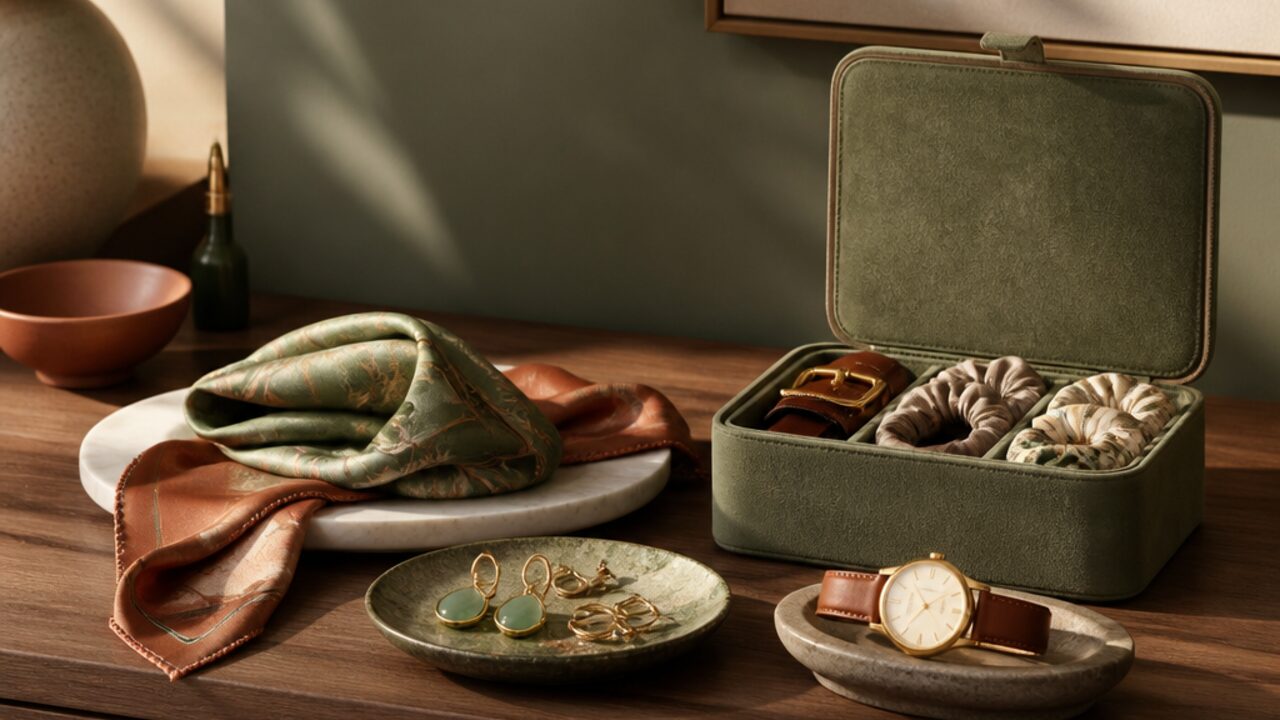
- Arrive: keys, wallet, and the small items used every day
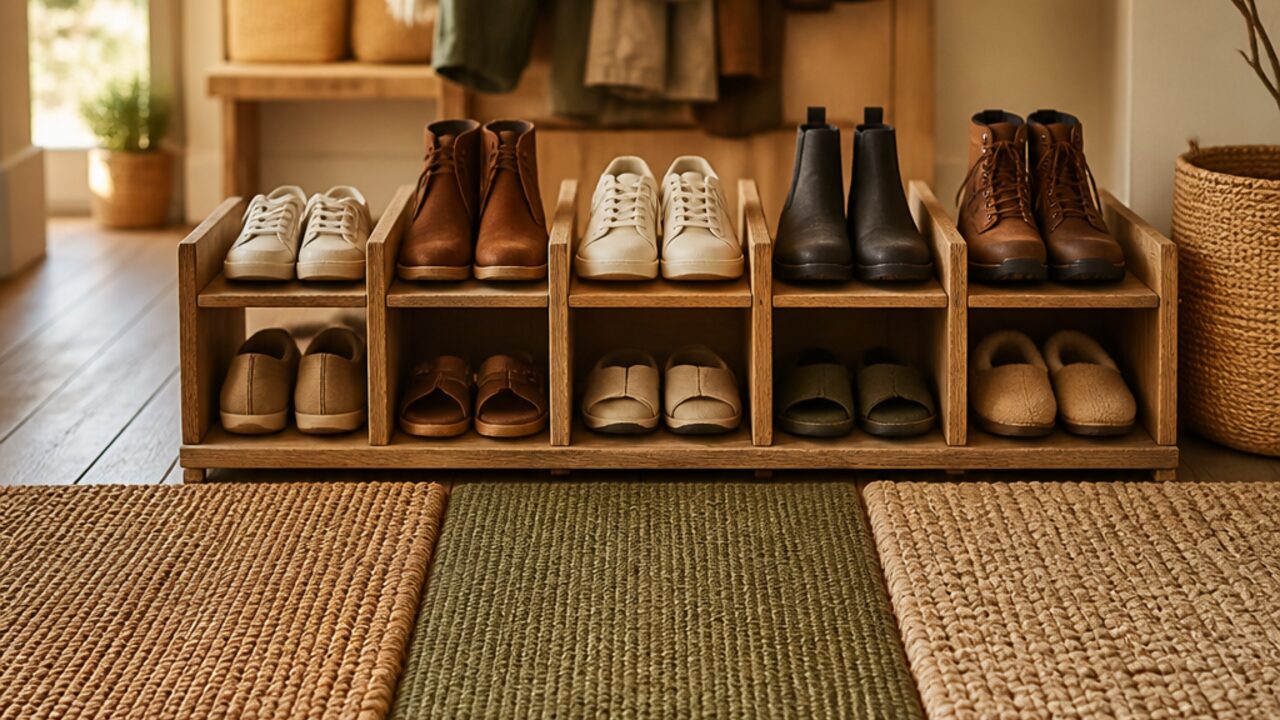
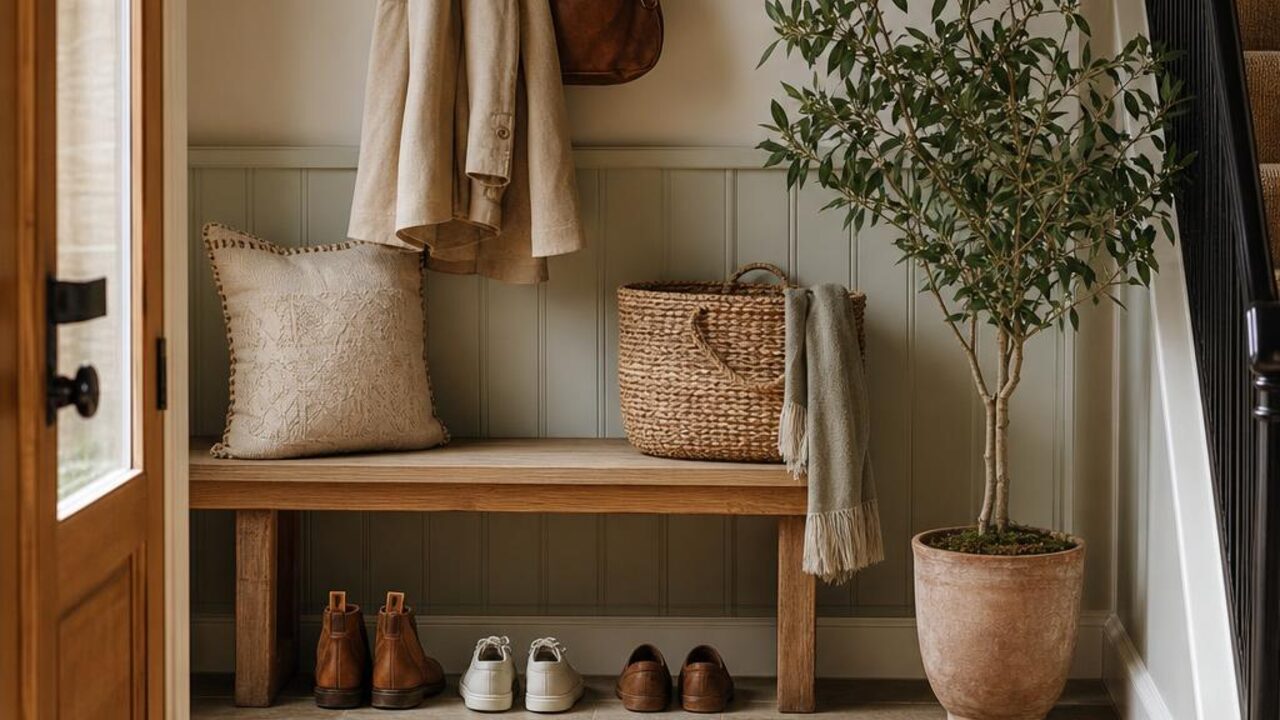
- Wear: shoes, coats, and bags that are staying in the home
- Sort: mail and items that need a later decision
- Go: returns, library books, bags, or anything leaving soon
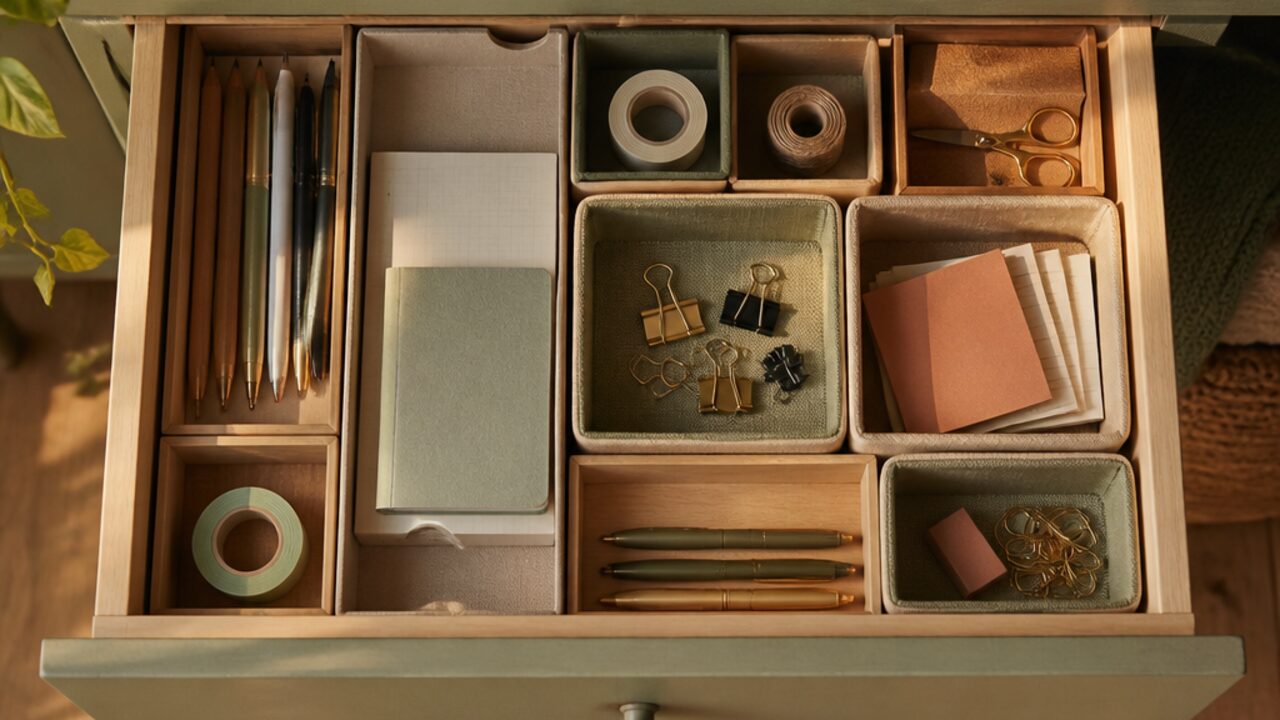
The homes can be a tray, hook, basket, shelf, or a marked area on the floor. Choose what fits the entryway you have. A system that requires walking to another room for every small item will lose to the doorway.
The small-space home management guide has more ideas for assigning functions when square footage is limited. The principle is the same: make the next right action obvious and physically close.
Run the reset in one direction
Do the reset at a natural transition, such as after dinner or before bed. Set a timer for five minutes and move from the outside of the zone inward:
- Put keys and daily items in the arrive spot.
- Hang or fold the coat and place shoes where they belong.
- Put mail in the sort tray without opening every envelope.
- Move outbound items to the go spot.
- Remove rubbish and return one stray item to its home.
The rule for mail matters. Sorting is not the same as processing. A short reset can identify the mail that needs attention without asking you to answer every question at the door.
Make tomorrow visible
Before bed, look at the go spot. If something must leave in the morning, place it where it cannot be missed without blocking the walkway. If a child or partner needs to take it, name the owner. “Bag by the door for Sam” is clearer than “remember the bag.”
Add true follow-ups to the to-do list rather than keeping them in the entryway indefinitely. A due date turns an object into a plan. The today home reset can help you connect this small zone to the day's other closing tasks.
Use a low-energy version
On a difficult day, do only three things:
- Put keys in their spot
- Clear the walking path
- Move anything leaving tomorrow to the go spot
Everything else can wait. If shoes remain by the door or the sort basket is not empty, the reset still worked. Protecting access and tomorrow's first step is enough.
You can also create a shared rule for the household: each person handles their own arrive and wear items, while one person handles the shared mail tray on the agreed admin day. The ten-minute kitchen reset uses the same idea of closing the highest-friction zone without demanding a full clean.
Reduce the reasons piles return
Watch what repeatedly lands on the floor. If it is always a gym bag, add a hook. If it is mail, move the sort tray closer to the door. If it is reusable shopping bags, give them one visible home. Repeated clutter is feedback about the setup, not proof that the routine failed.
Do not add storage for every object immediately. First remove one category that does not belong in the entryway. A smaller number of jobs makes the reset faster.
Review once a month
Ask whether the four homes still match the household's current life. A seasonal coat may need a different place. School bags may need a lower hook. A work bag may need to be near the desk instead. Change one physical detail, then return to the routine.
An entryway reset succeeds when leaving and arriving take fewer decisions. Keep the homes close, the sequence short, and the low-energy version available. The goal is not an empty surface. It is a doorway that helps the next part of the day begin.