A household file system should make common information easy to find without turning every personal record into a shared document. Before adding a file, decide who needs it and what they need to do with it. Convenience is useful, but access should match the purpose.
Make shared and private categories
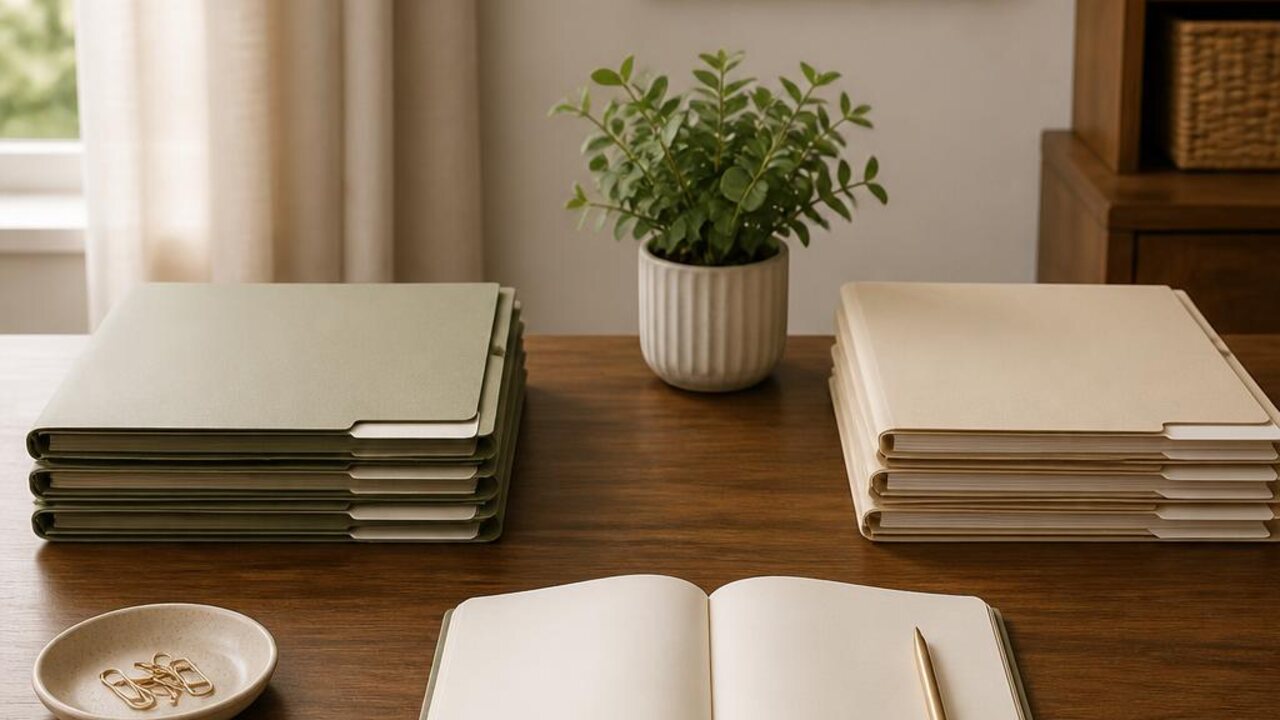
Shared references might include an appliance manual, a household schedule, or a common supply list. Personal financial, identity, medical, and account records belong only where their owners choose to keep them. Use the permissions offered by the storage service rather than assuming a folder is private.
- Give folders names that make their audience clear
- Share the smallest set of records needed for a task
- Avoid putting passwords, codes, or sensitive details in a general note
- Remove access when a household role or arrangement changes
Review access when plans change
Once or twice a year, check who can open shared folders and whether each document still belongs there. Remove duplicate copies and outdated links. Follow the issuer's requirements for original documents and keep sensitive files in a secure location you trust.
The household digital file organization guide offers a compact folder structure, and the household document organizer helps decide what records to keep. Add a periodic review to the Lucru Home to-do list.
Good sharing is deliberate. Keep common references available to the people who need them, and leave personal records under their owner's control.